Some retail interior design projects in Singapore are handed to you as a problem to solve, and this was one of them.
313@Somerset – Basement Food Court Interior Refurbishment & New Identity ·
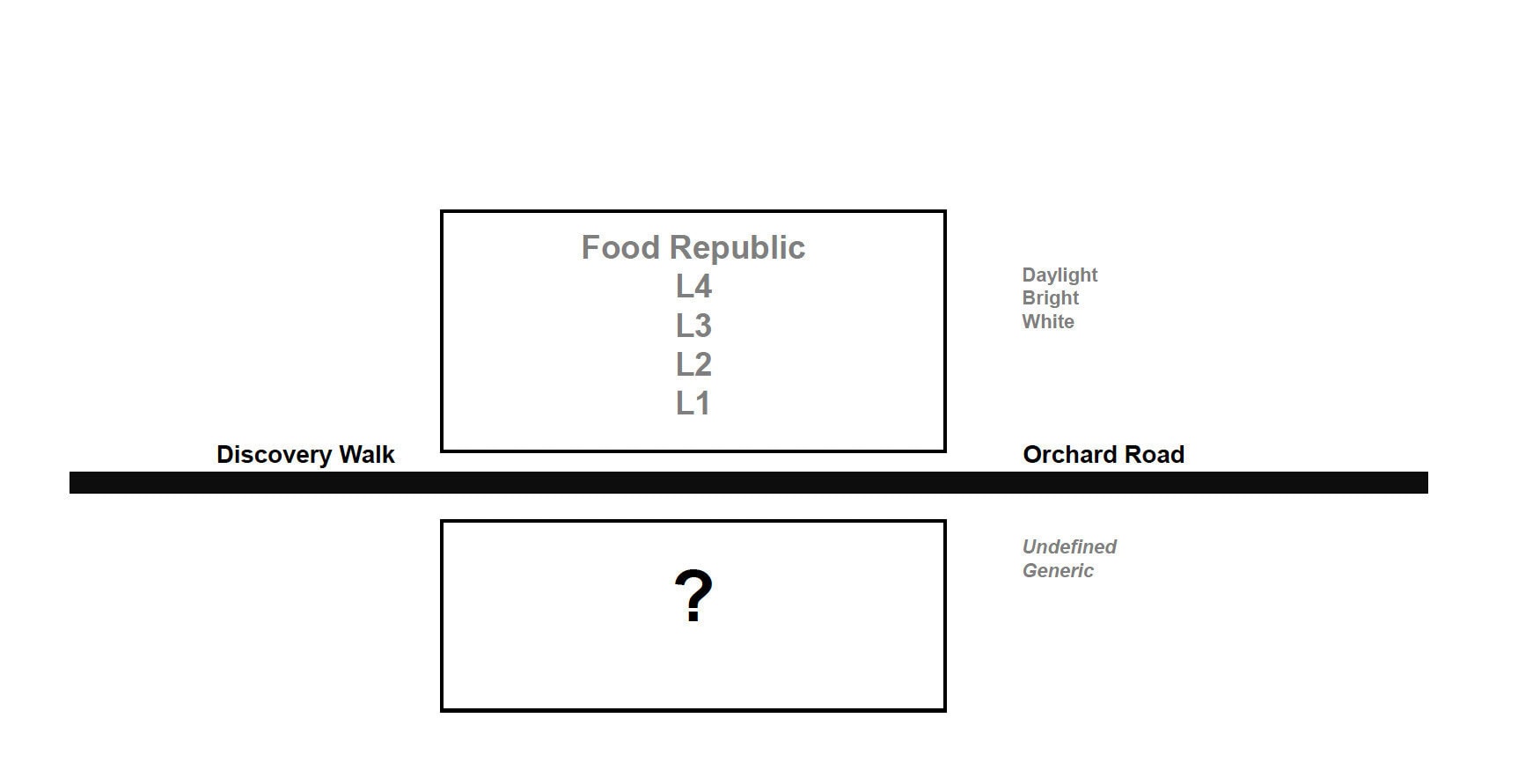
The basement food court at 313 @ Somerset sat directly below one of Orchard Road’s most-visited retail destinations, with high footfall and a prime location, yet an identity that felt undefined. Generic. A space that people passed through rather than chose to be in. The brief was to change that.
My role covered the full scope: concept, narrative, spatial design, lighting design, technical drawings, and construction supervision from start to finish. This was not a team project with a divided brief, I owned every decision from the first sketch to the final light fitting on site.
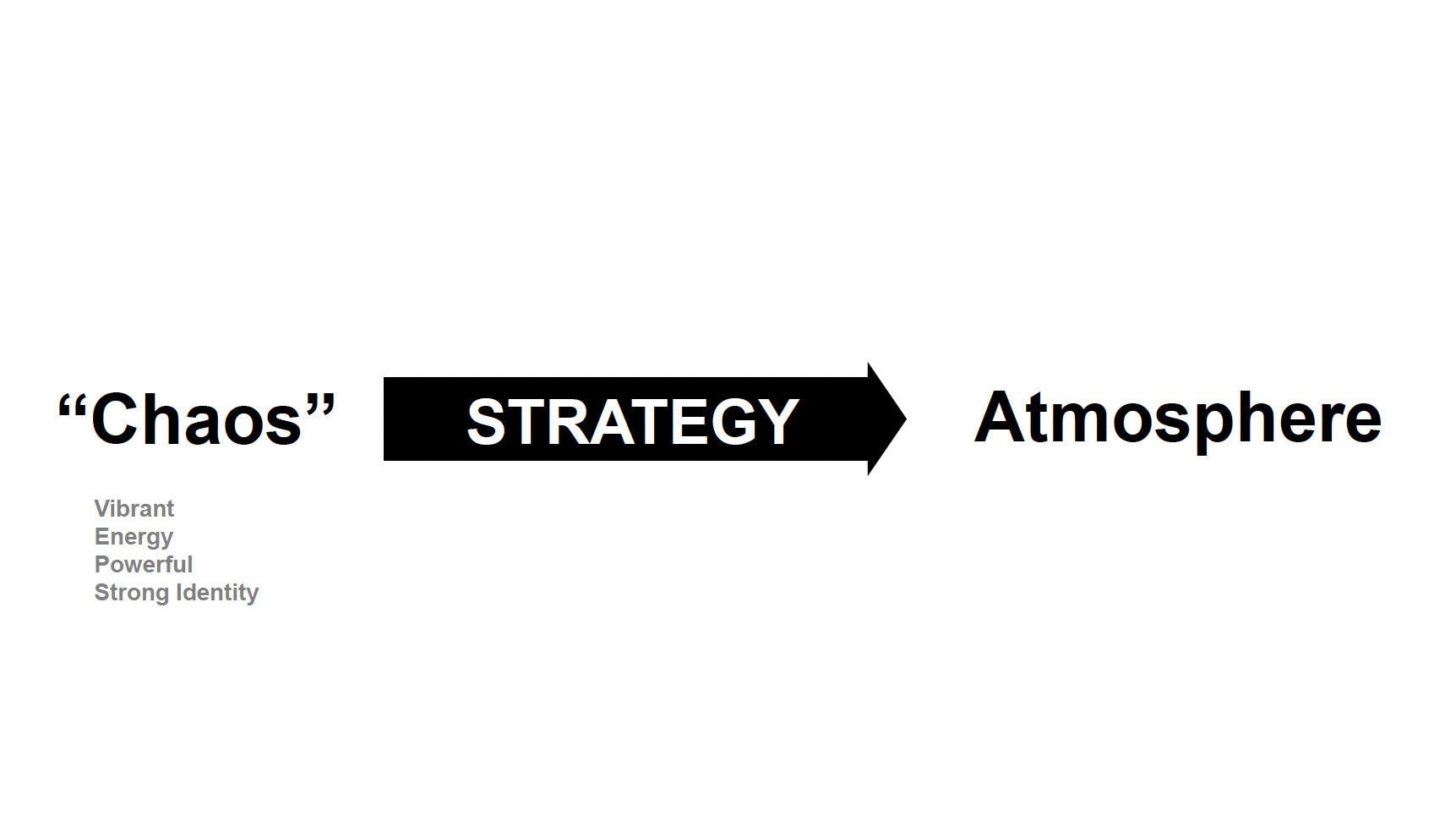
The Concept: Chaos → Strategy → Atmosphere
The starting point was the existing energy of the space. The basement already had something, vibrancy, noise, density, the organized chaos of a food hall where dozens of vendors compete for attention simultaneously. Rather than suppressing that energy and replacing it with order, the concept posed a different question: what if we made the chaos intentional?
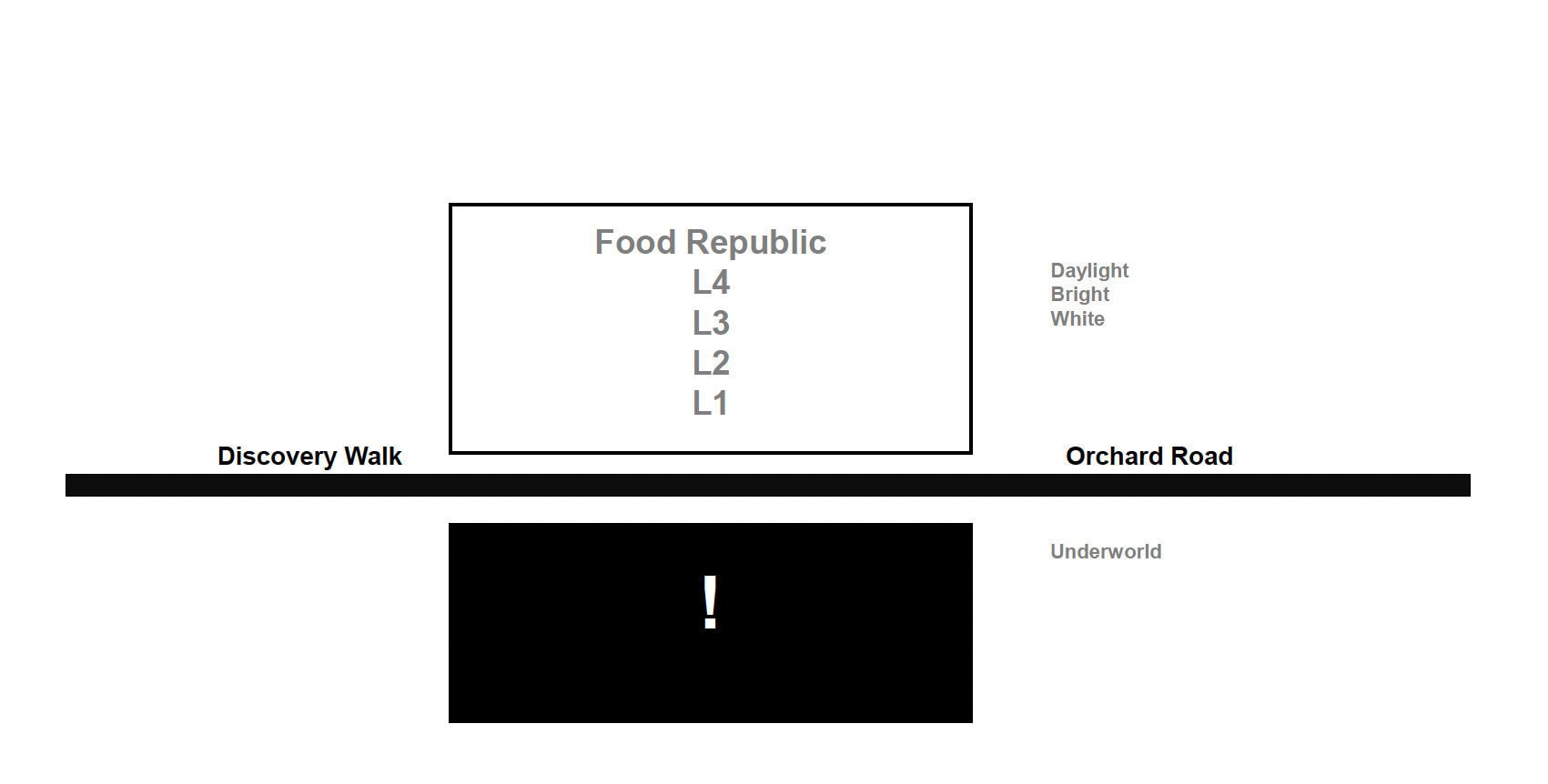
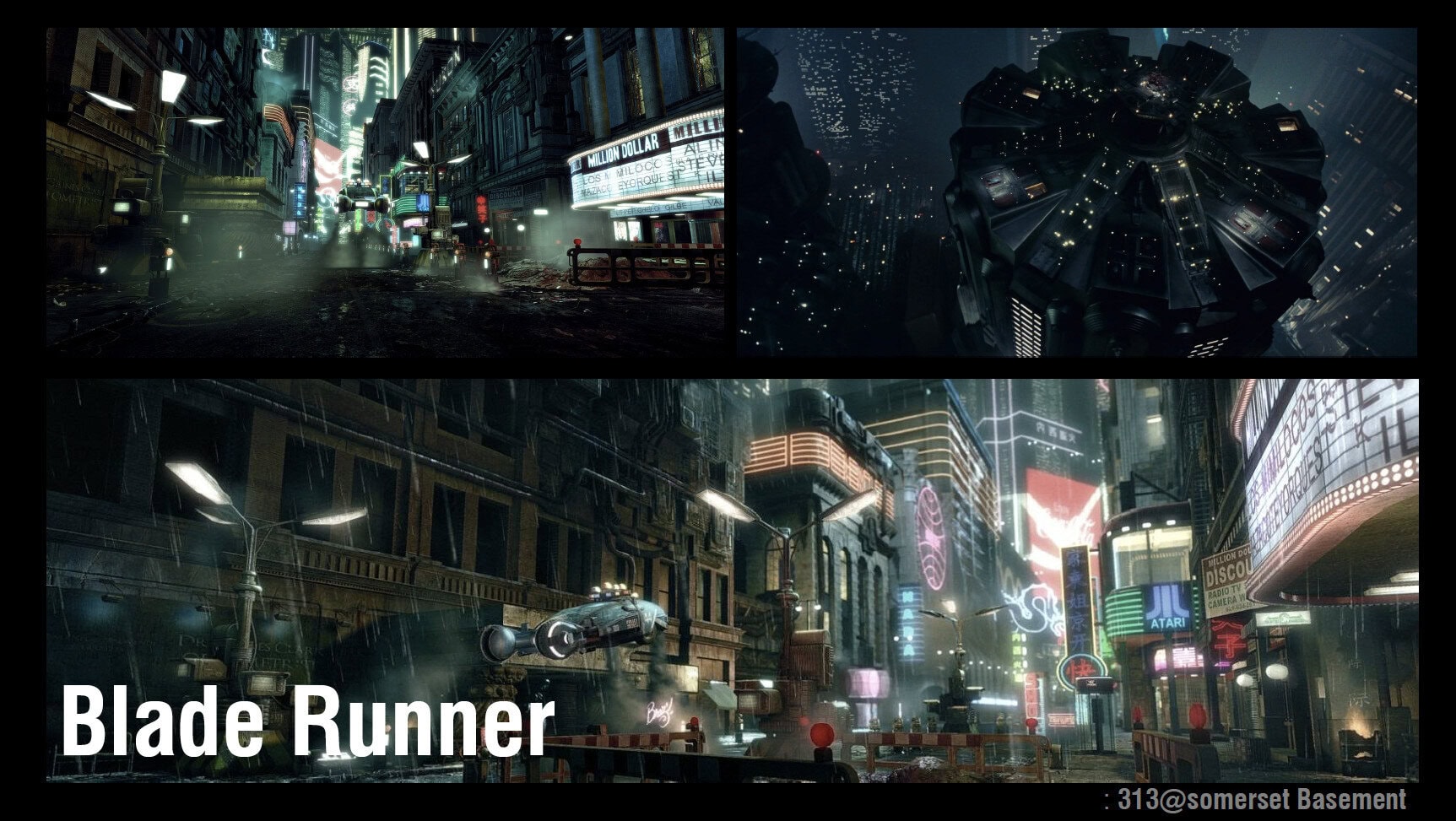
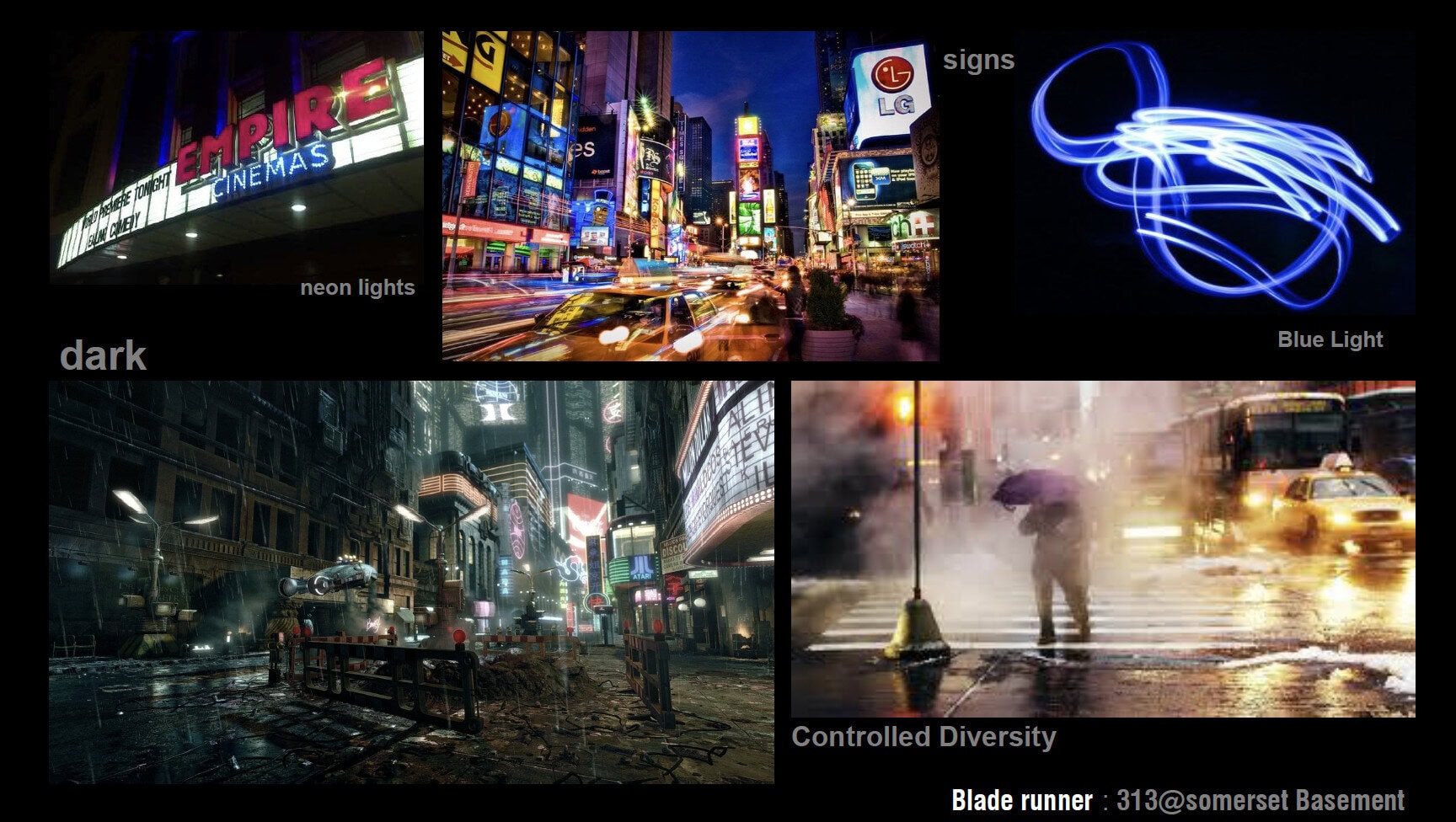
The strategic move was to lean into the atmosphere rather than fight it. The reference was Blade Runner, not as a literal aesthetic, but as a spatial logic: darkness as contrast, light as focus, colour as signal. A space that feels like a city within a city. Dense, alive, and impossible to ignore.
The Lighting Design
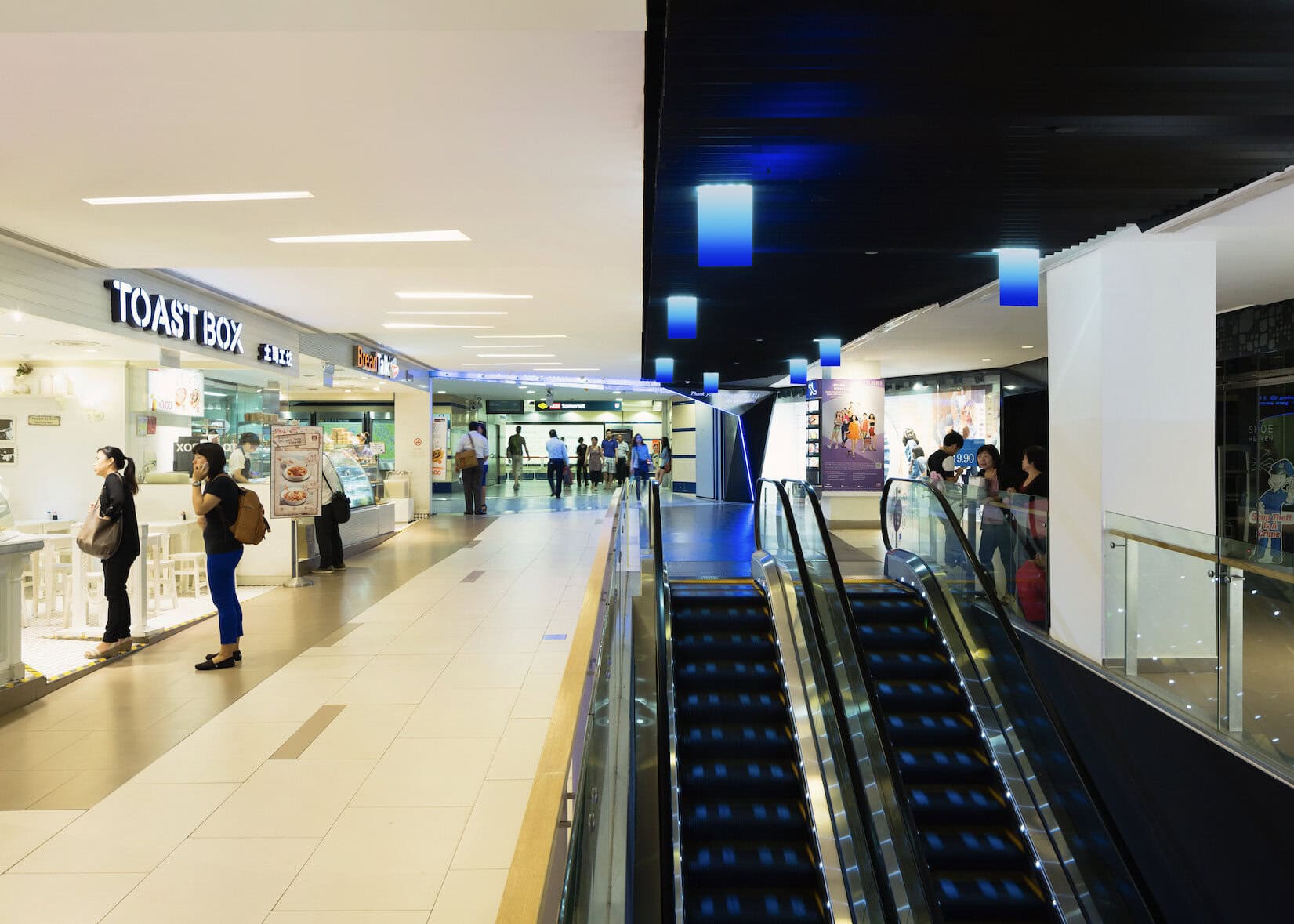
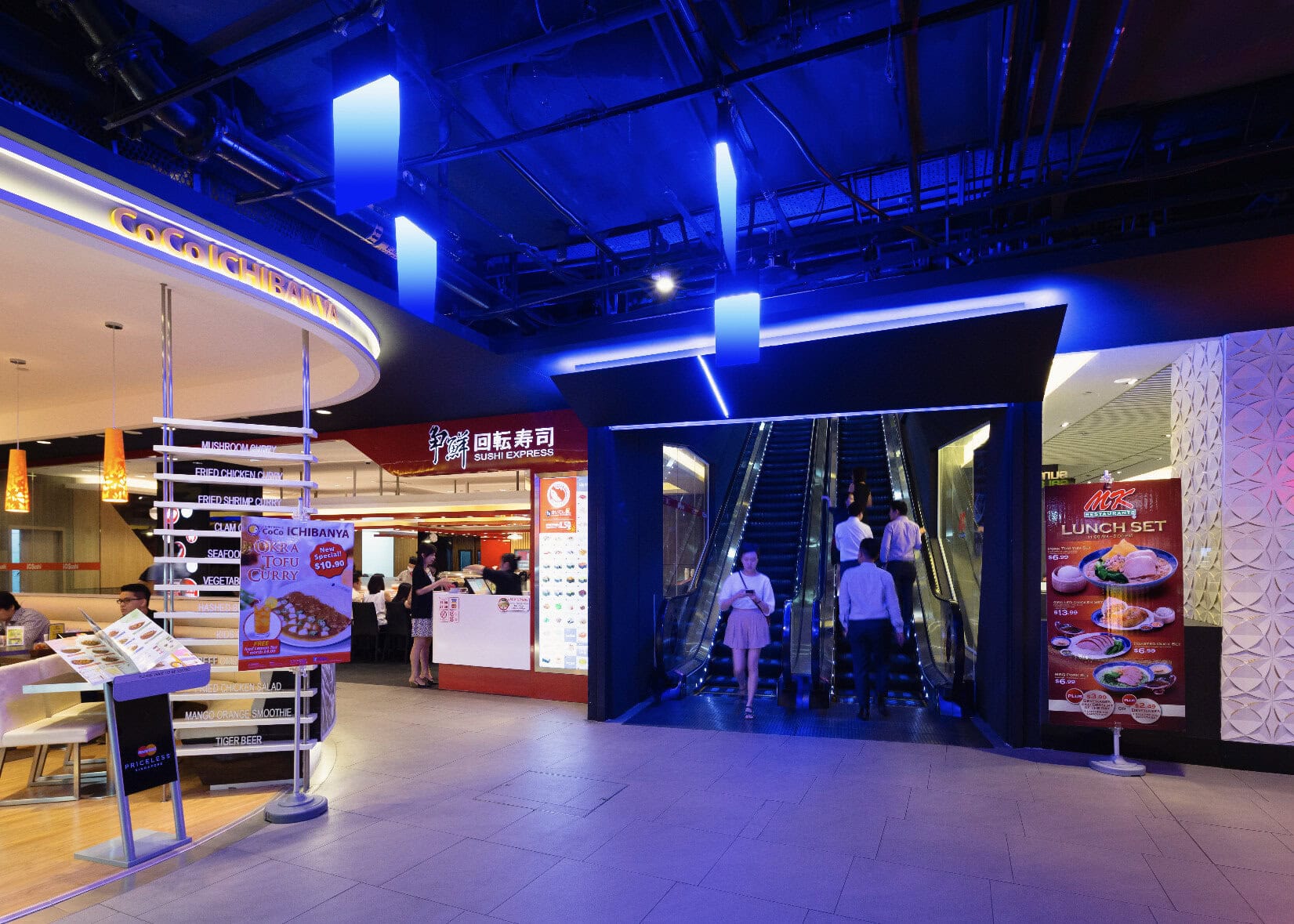
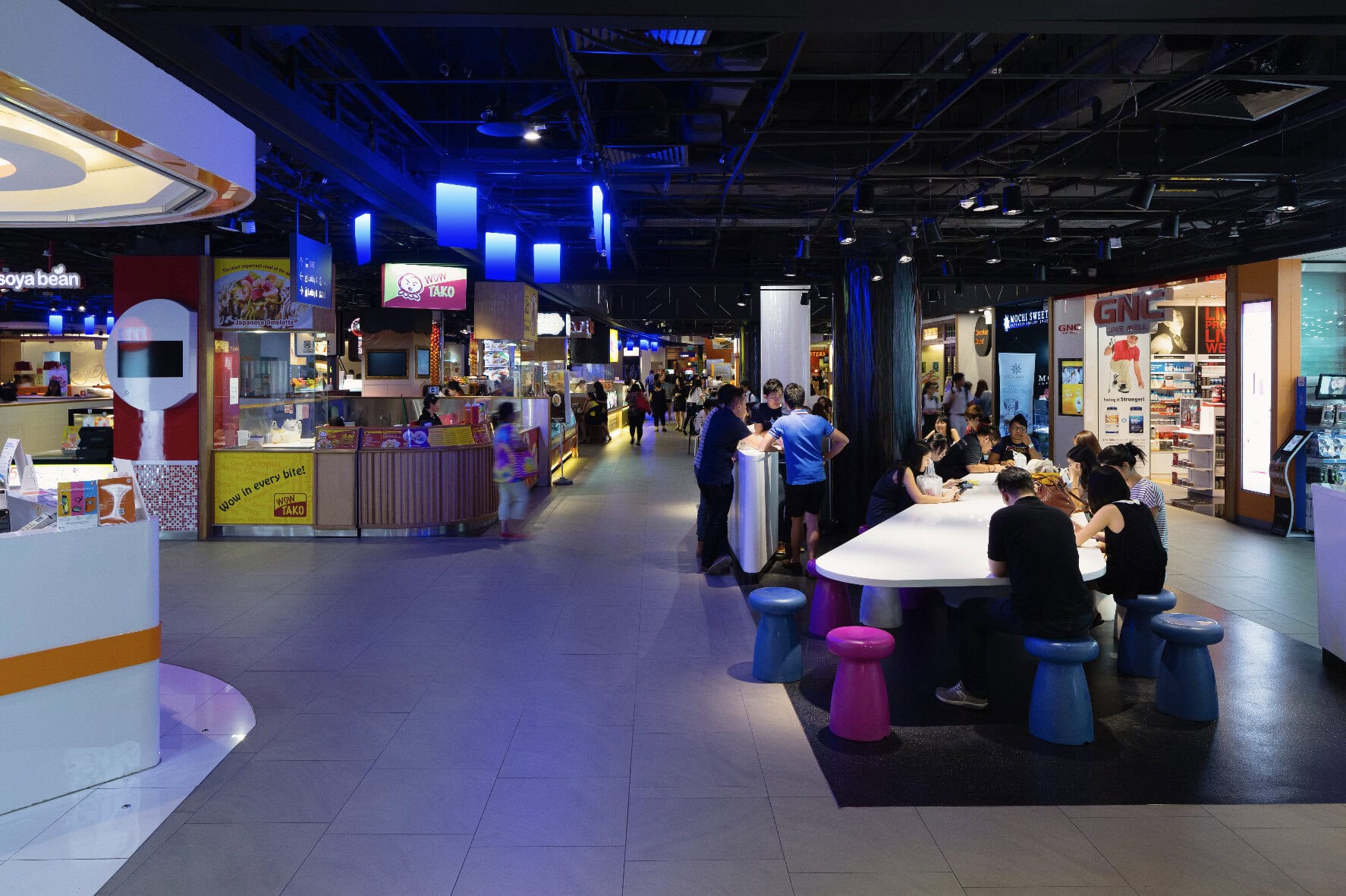
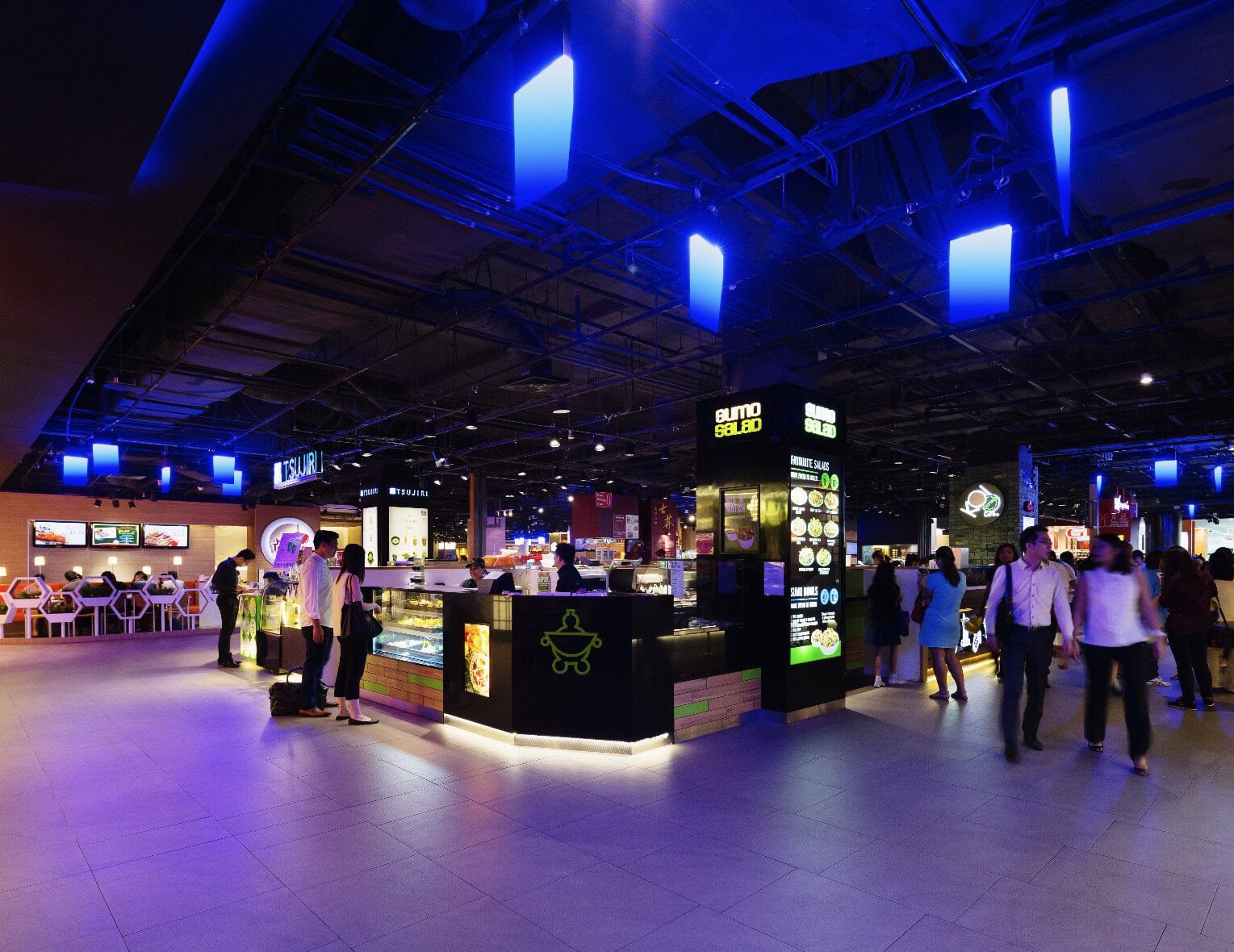
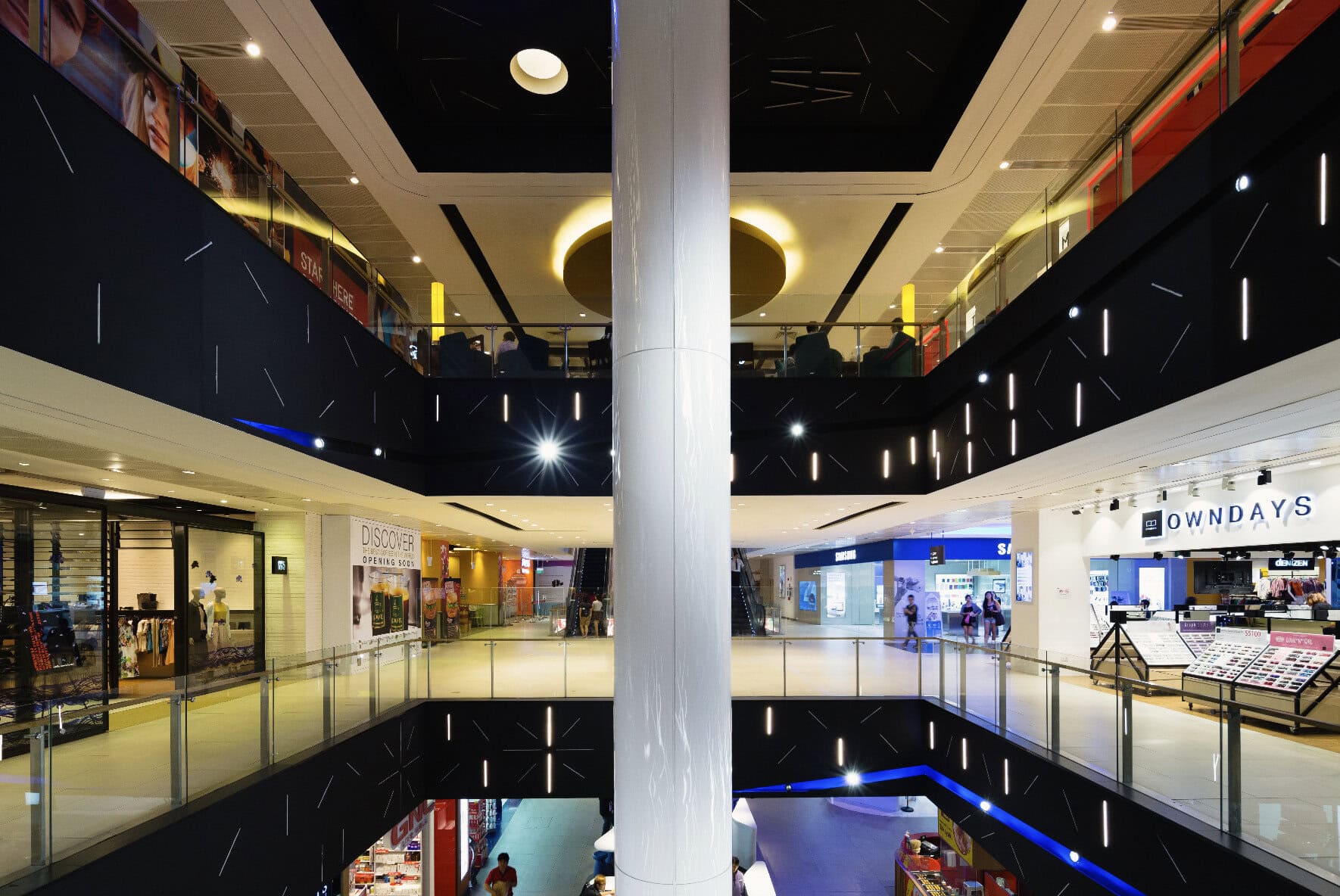
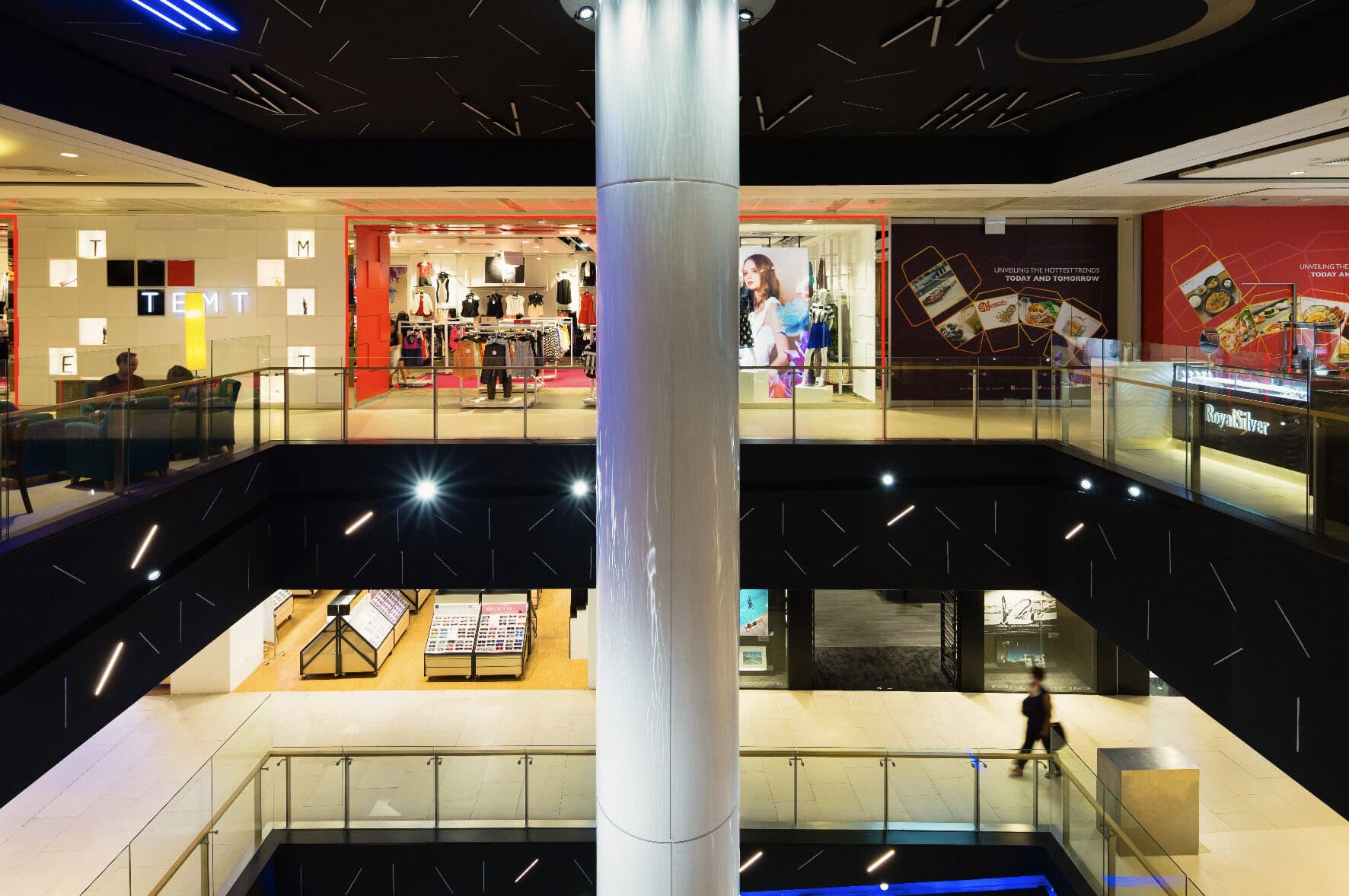
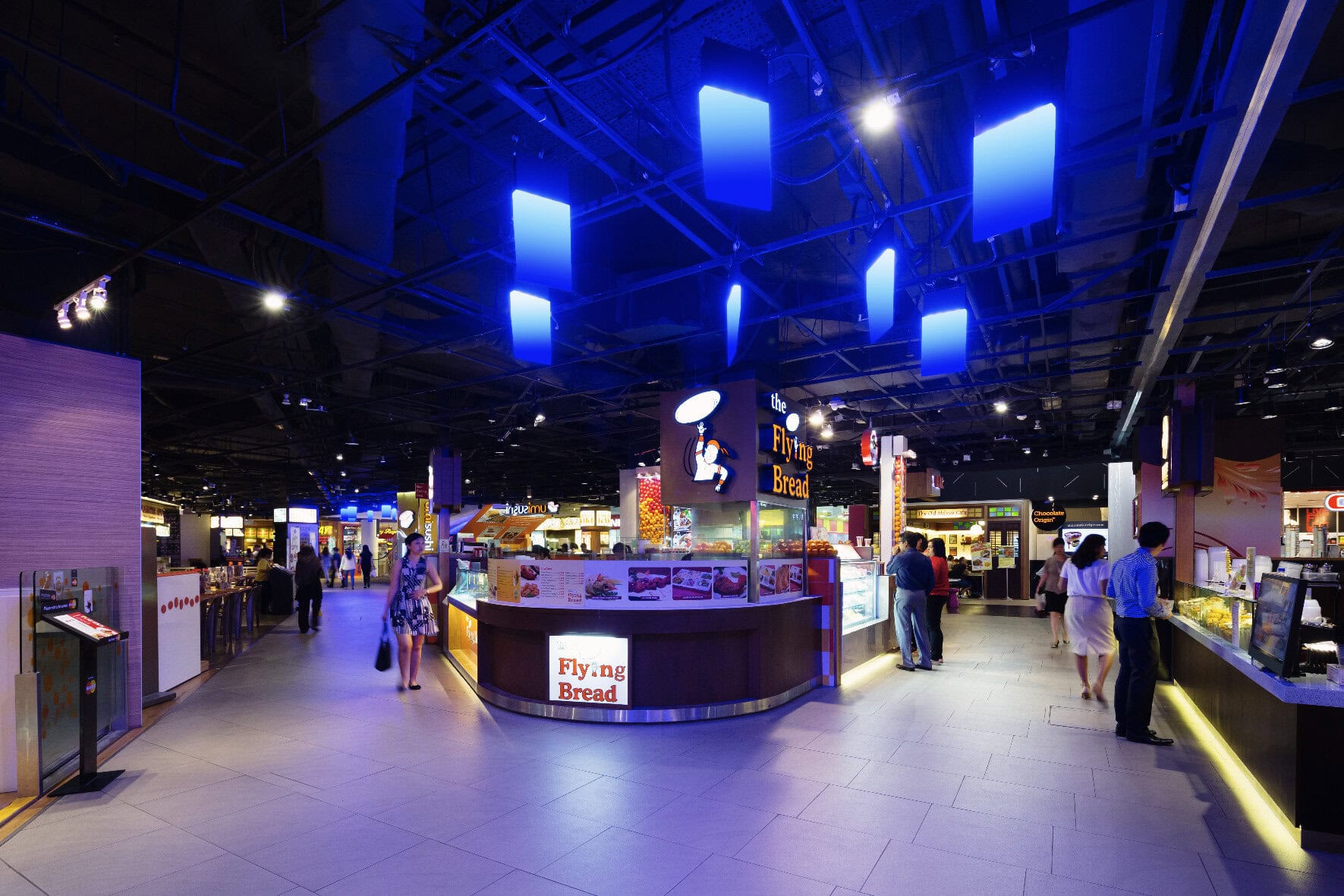
Lighting was the primary tool. The decision to keep the ceiling dark — exposing the structural grid and services above, was deliberate. It removed the false ceiling that had made the space feel low and institutional, replacing it with depth and drama. Against this dark field, blue light panels suspended from the ceiling became the defining element of the space: cool, floating, and immediately distinctive.
The blue light served both functional and conceptual purposes. It created a consistent identity across the entire floor plate, unifying a space fragmented by dozens of independent vendors. And it gave the basement a mood, something between a late-night street market and a nightclub, that made it feel like a destination rather than a convenience.
At floor level, warm accent lighting along the vendor counters and yellow baseline strips added contrast and direction, drawing people through the space and creating a visual rhythm between the stalls.
The Spatial Strategy
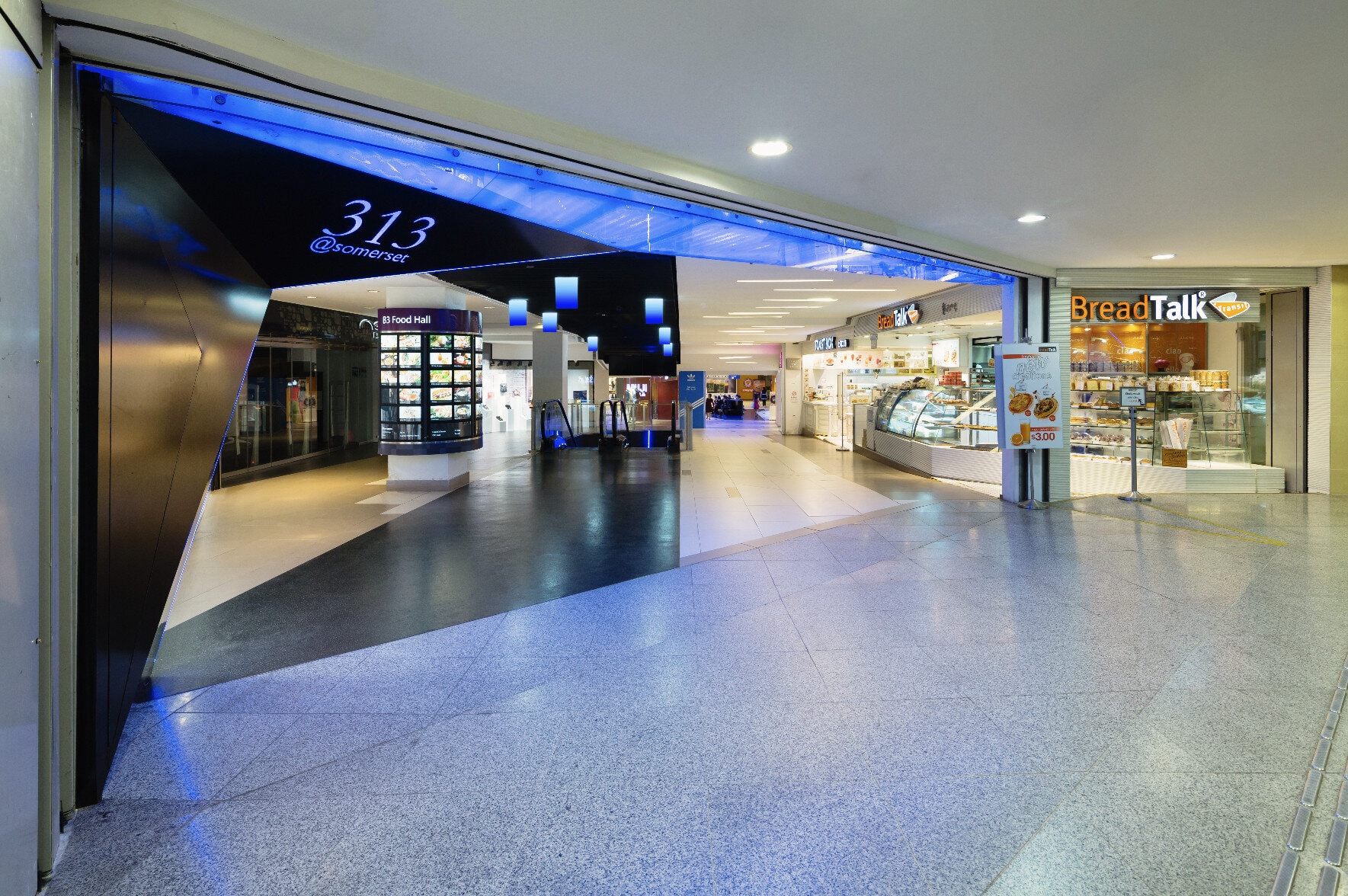
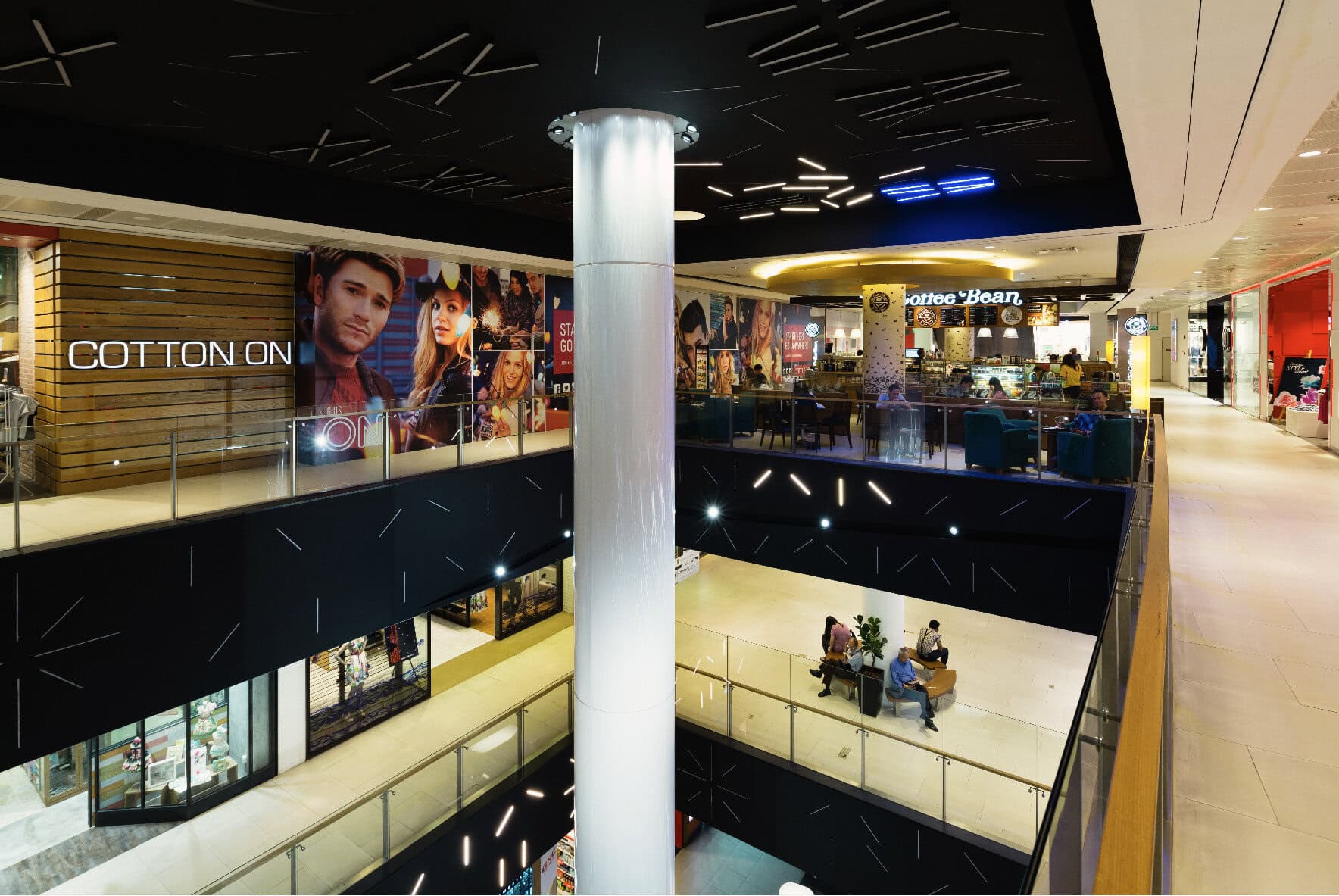
The entry sequence from street level was redesigned to make the transition from the mall above into the basement feel intentional — not like a descent into a service level, but like entering a different world. The angular entry threshold, clad in dark reflective material, marked the moment of arrival.
Inside, the layout was reorganized to improve circulation flow and give each vendor zone a clearer spatial identity while maintaining the collective energy of the whole. The goal was controlled diversity, every stall different, and the space coherent.
From Concept to Delivery
Managing this project through construction was as much a part of the work as designing it. Coordinating vendors, contractors, lighting suppliers, and mall management simultaneously, while keeping the concept intact under the pressures of budget, program, and operational constraints, required a different kind of design thinking. The ability to hold the vision and adapt the execution.
The result was a food court that people came back to. Not just for the food, but for how it felt to be there. And a very unique space in Singapore.
That is the measure of good retail design: not how it looks in photographs, but whether people choose it when they have other options.
Orchard Road, Singapore · 2014 Designer, Interior Designer, Light Designer & Project Manager · Broadway Malyan Singapore
“Read the full story behind this project: Embracing Chaos — Retail Design Lessons from a Singapore Food Court“