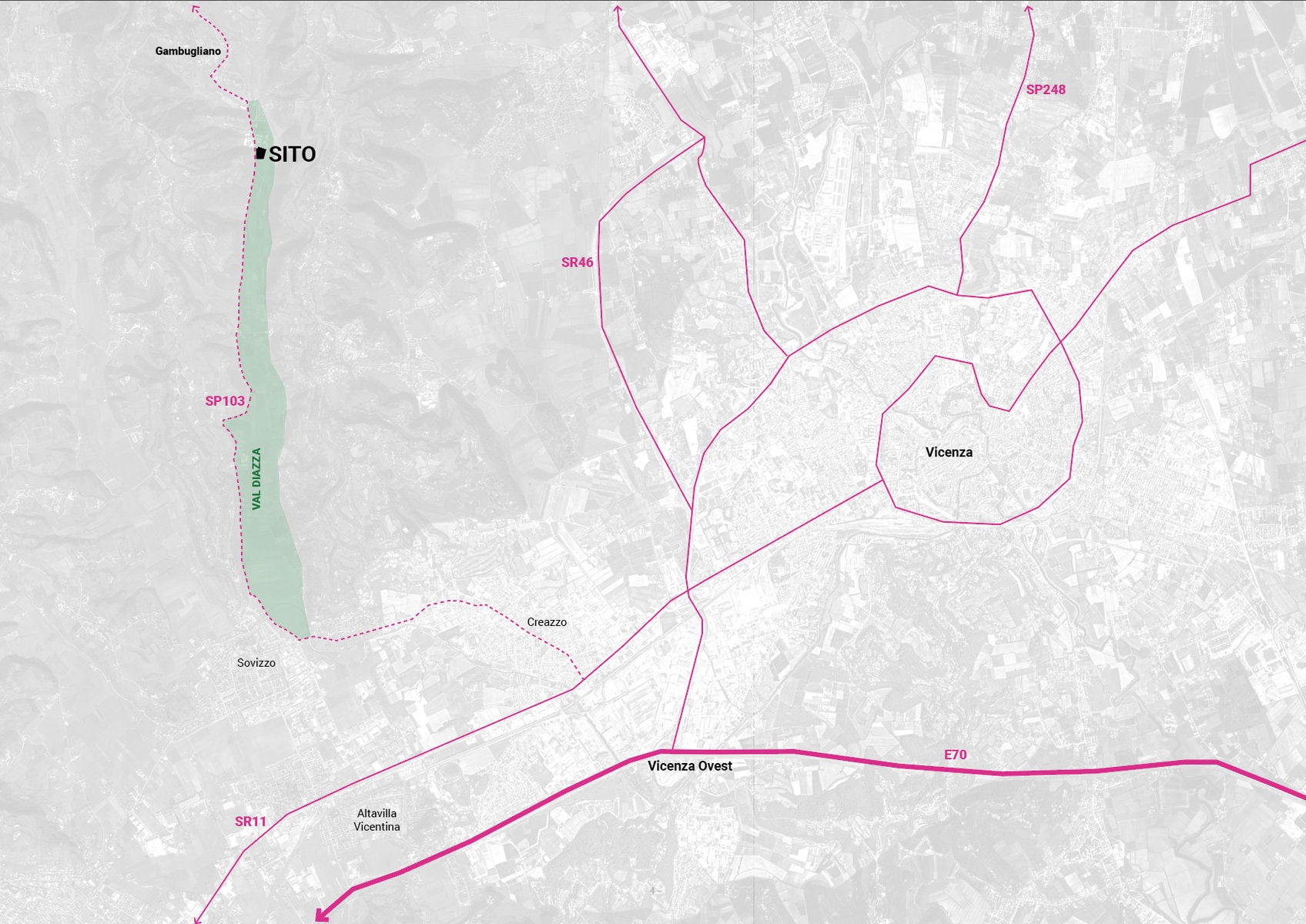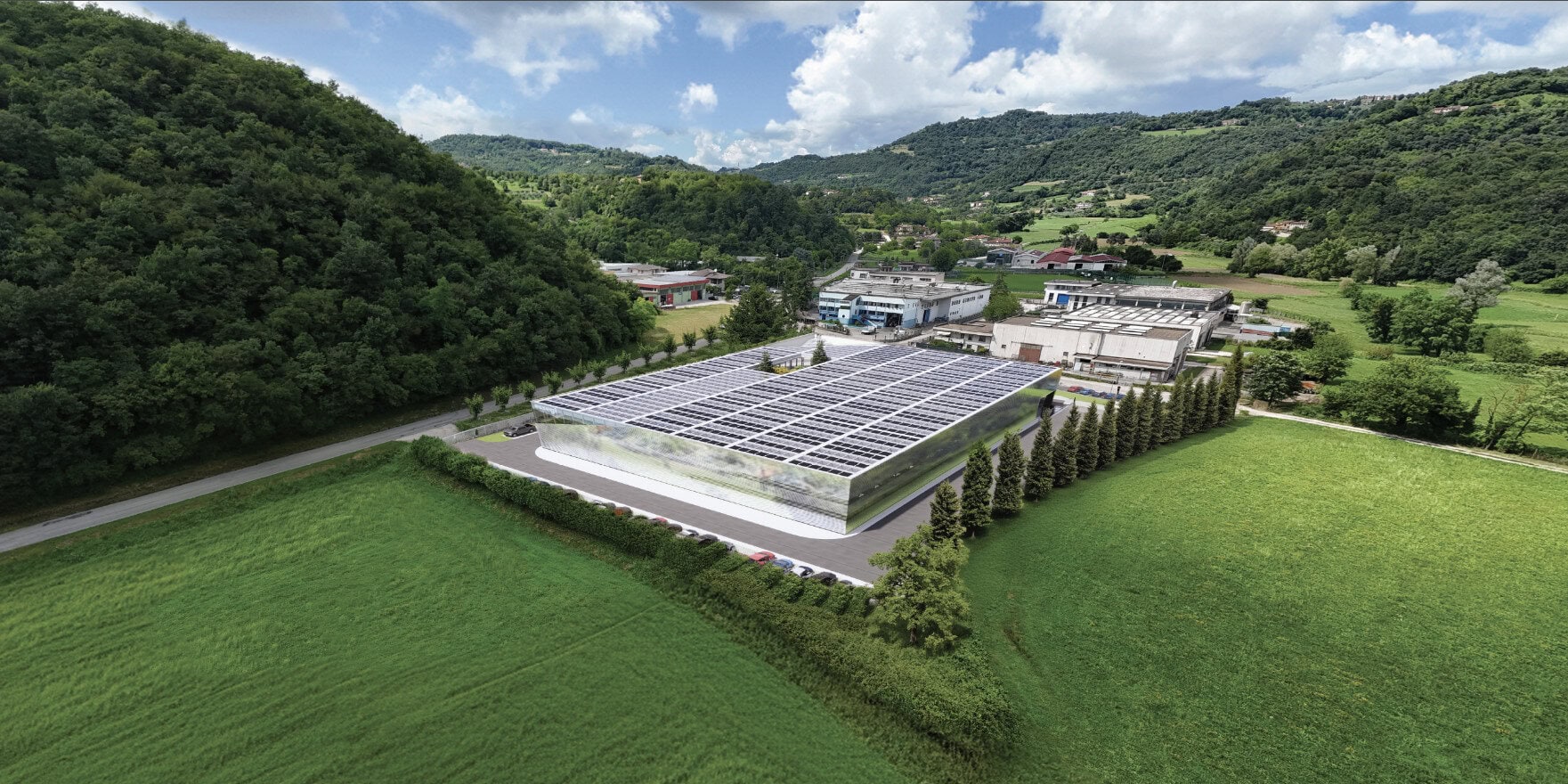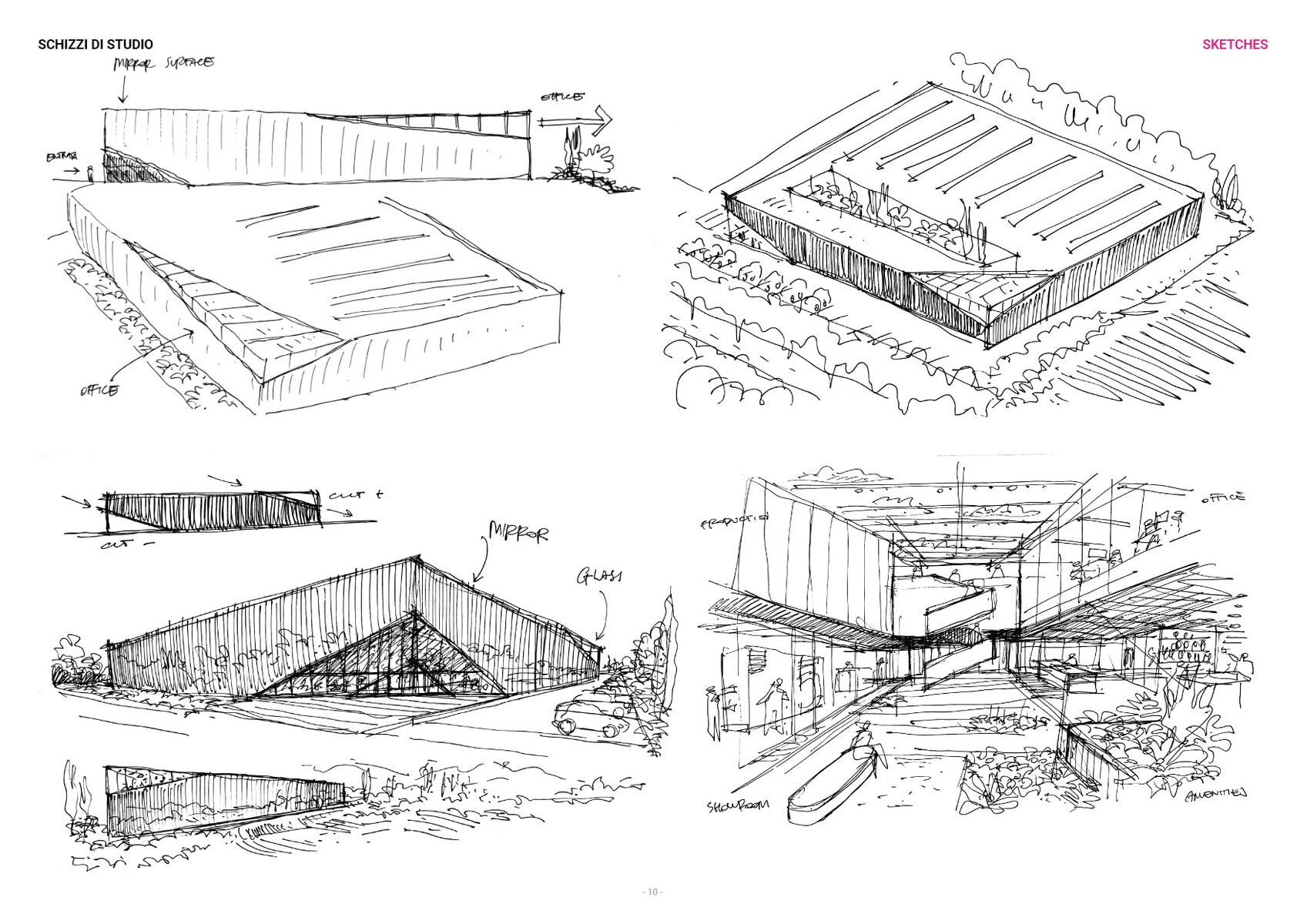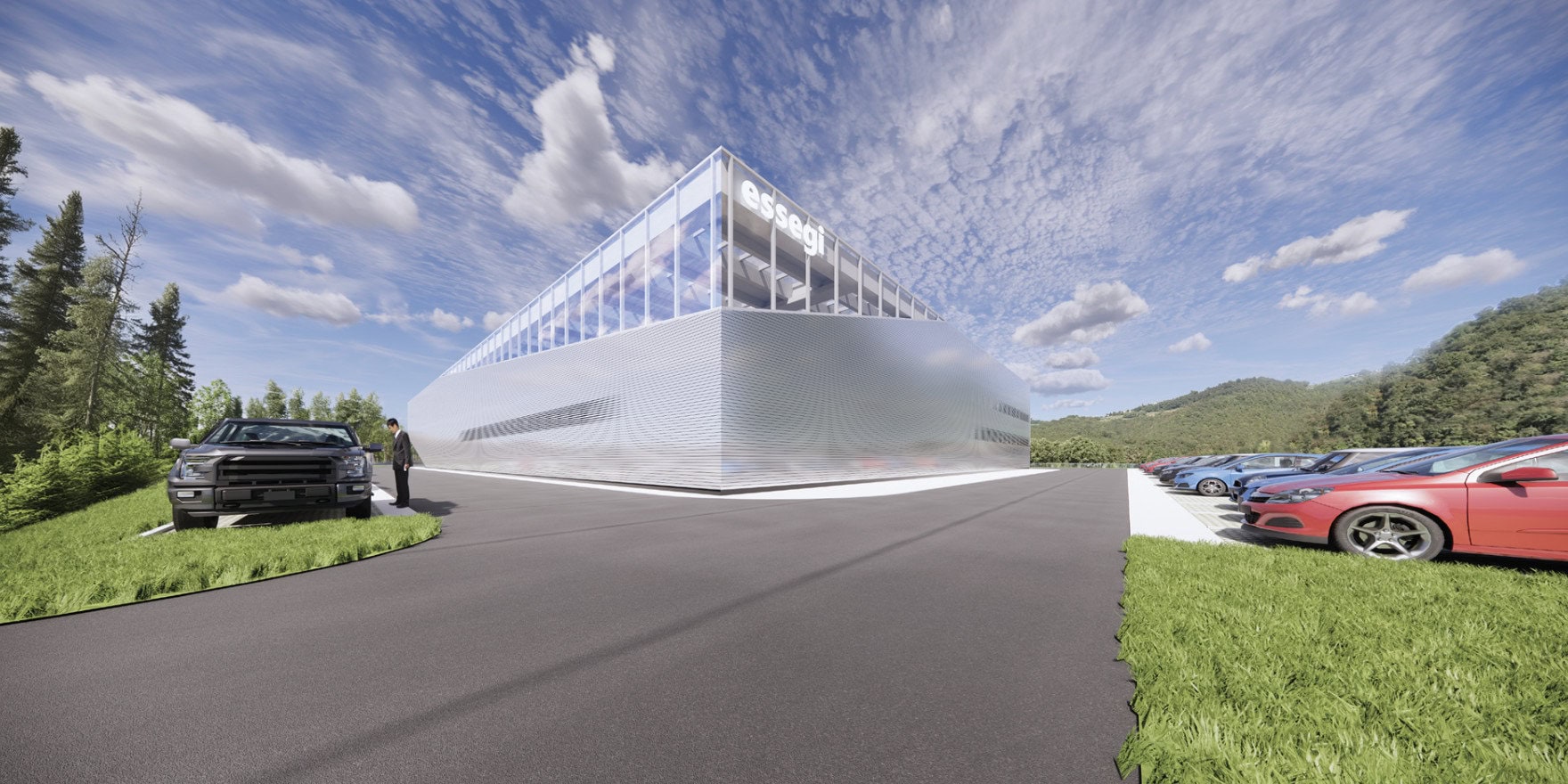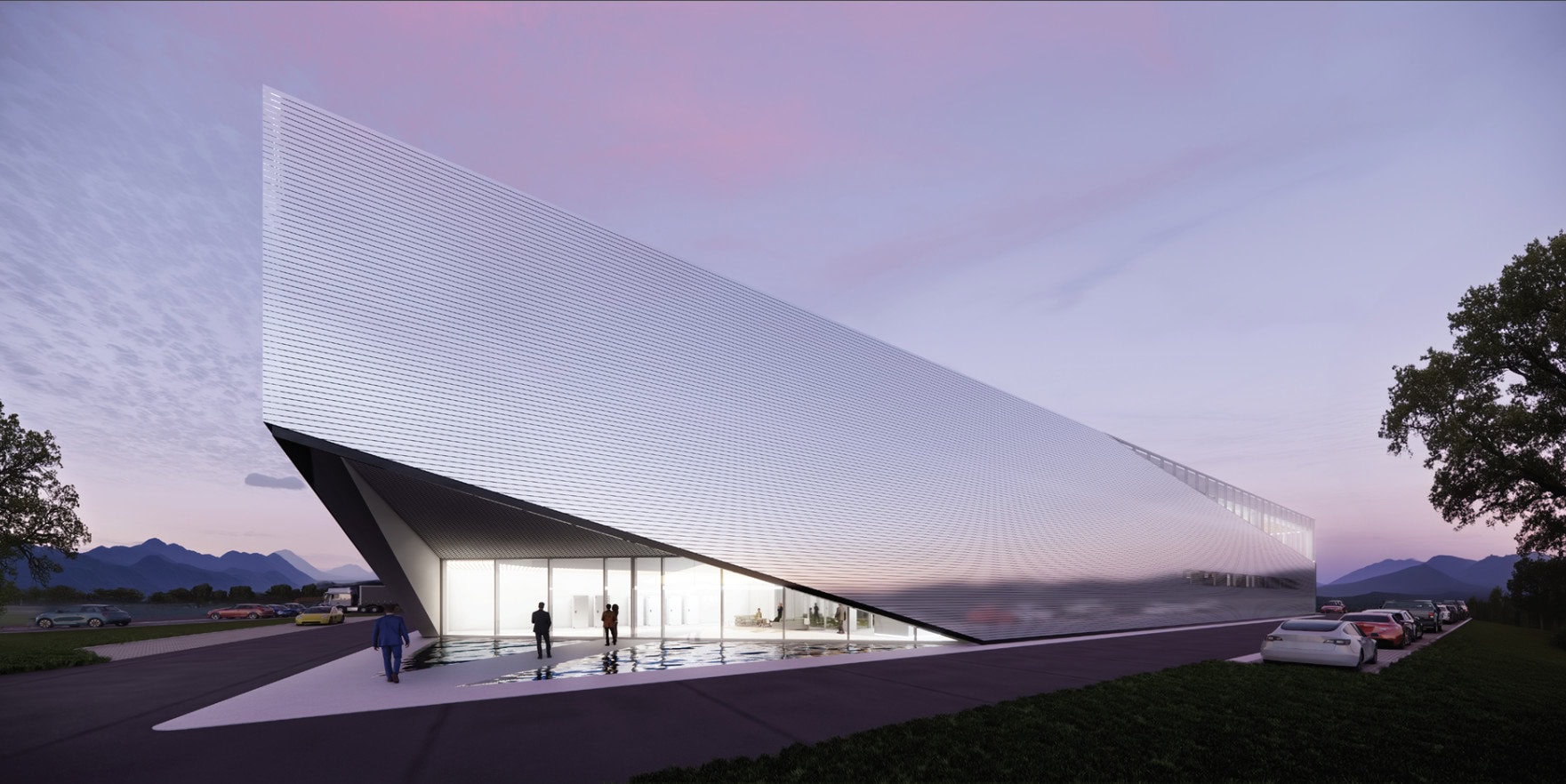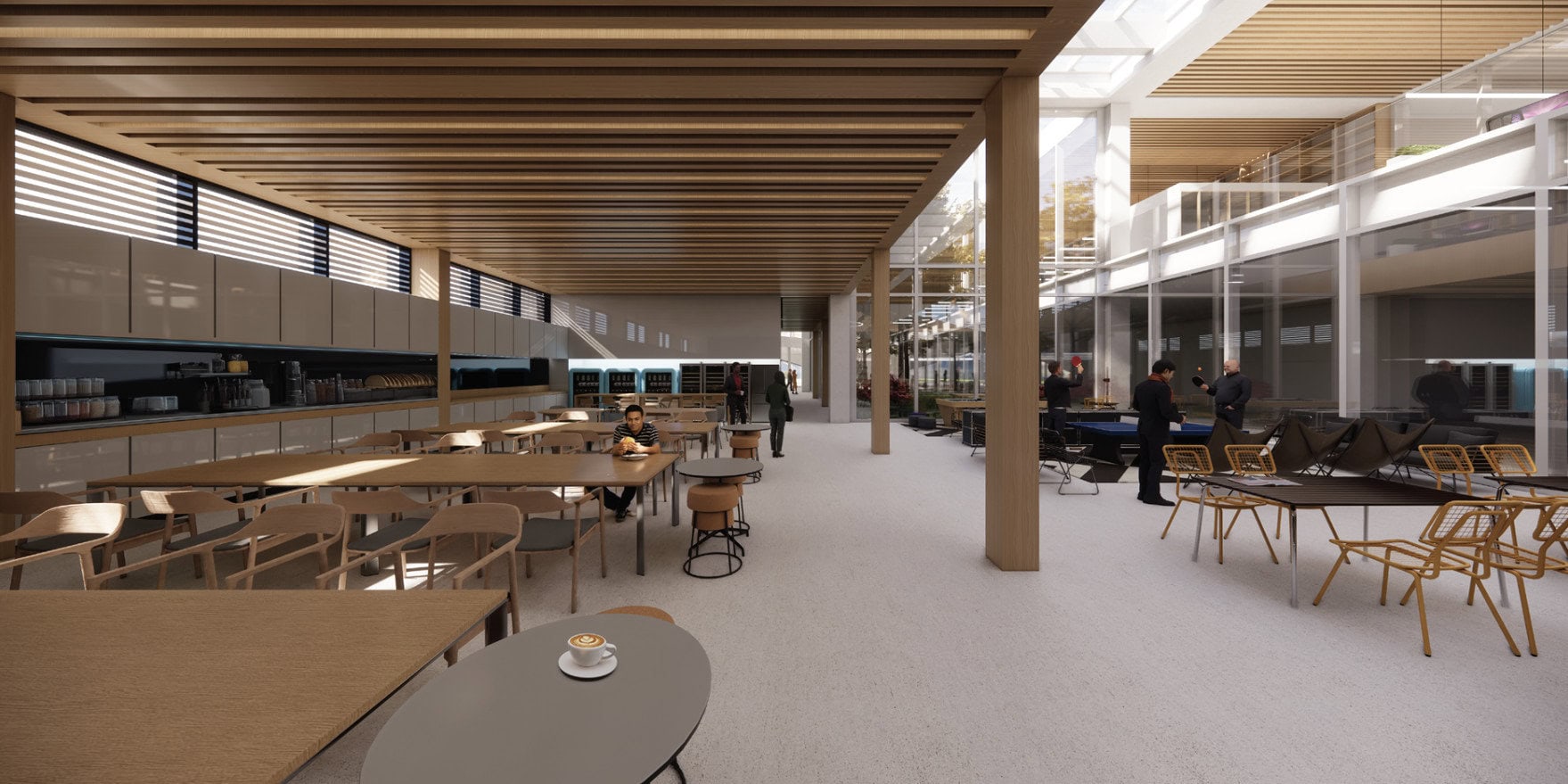
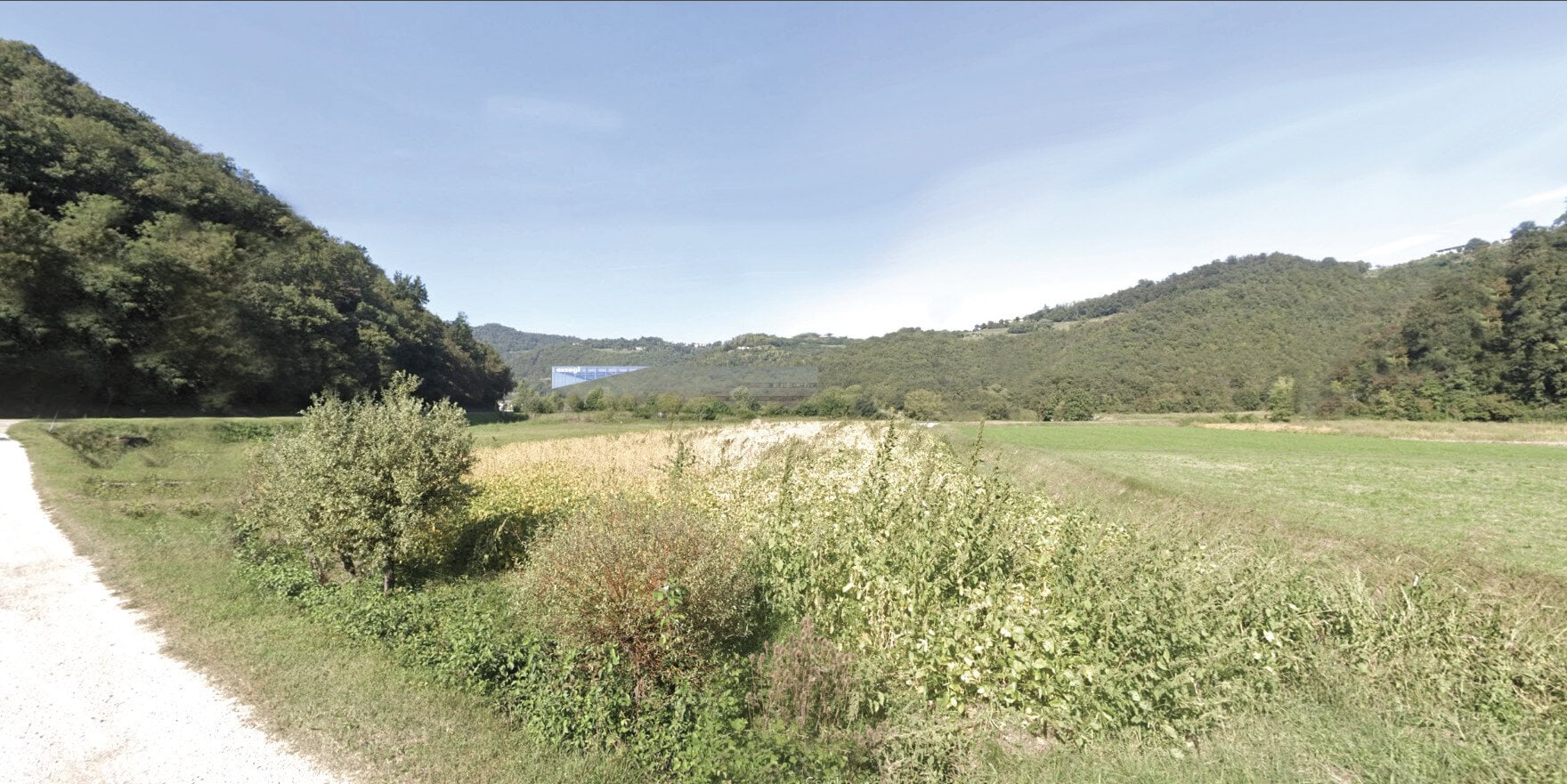
Design is often perceived as the creation of stylish objects or visually appealing artifacts, but I believe it transcends superficial aesthetics. True design is about embracing a fresh perspective on our surroundings and contemplating how we interact with the space and materials around us. The Venetian countryside, with its stunning landscapes characterized by serene waterways, lush greenery, and charming architecture, serves as a unique canvas that highlights both beauty and challenge. As we navigate the realities of industrialization within this idyllic setting, we often encounter signs of distress from rapid development, which disrupt the natural harmony of the environment. However, these challenges present us with a remarkable opportunity to rethink how we approach design and architecture.
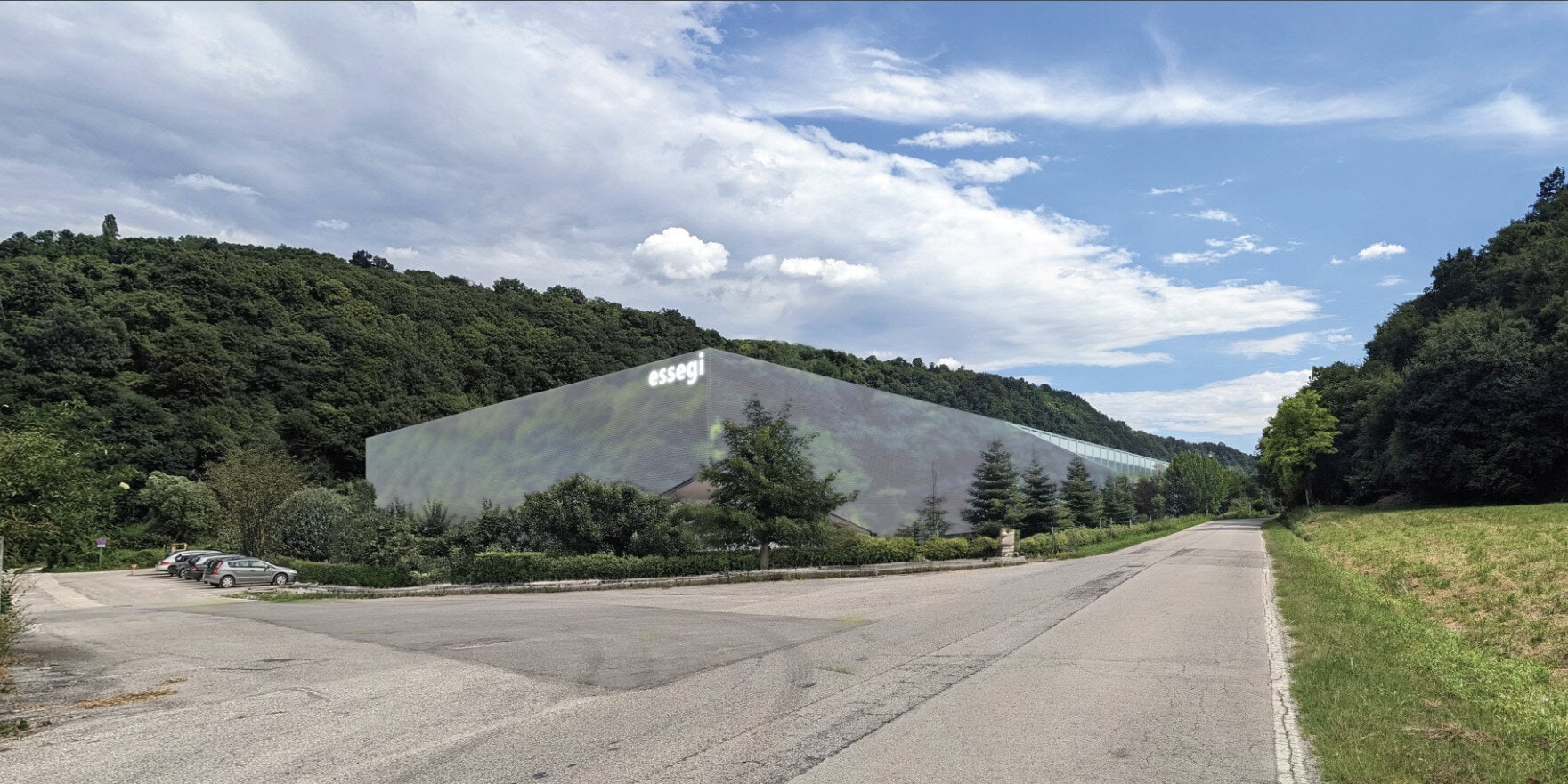
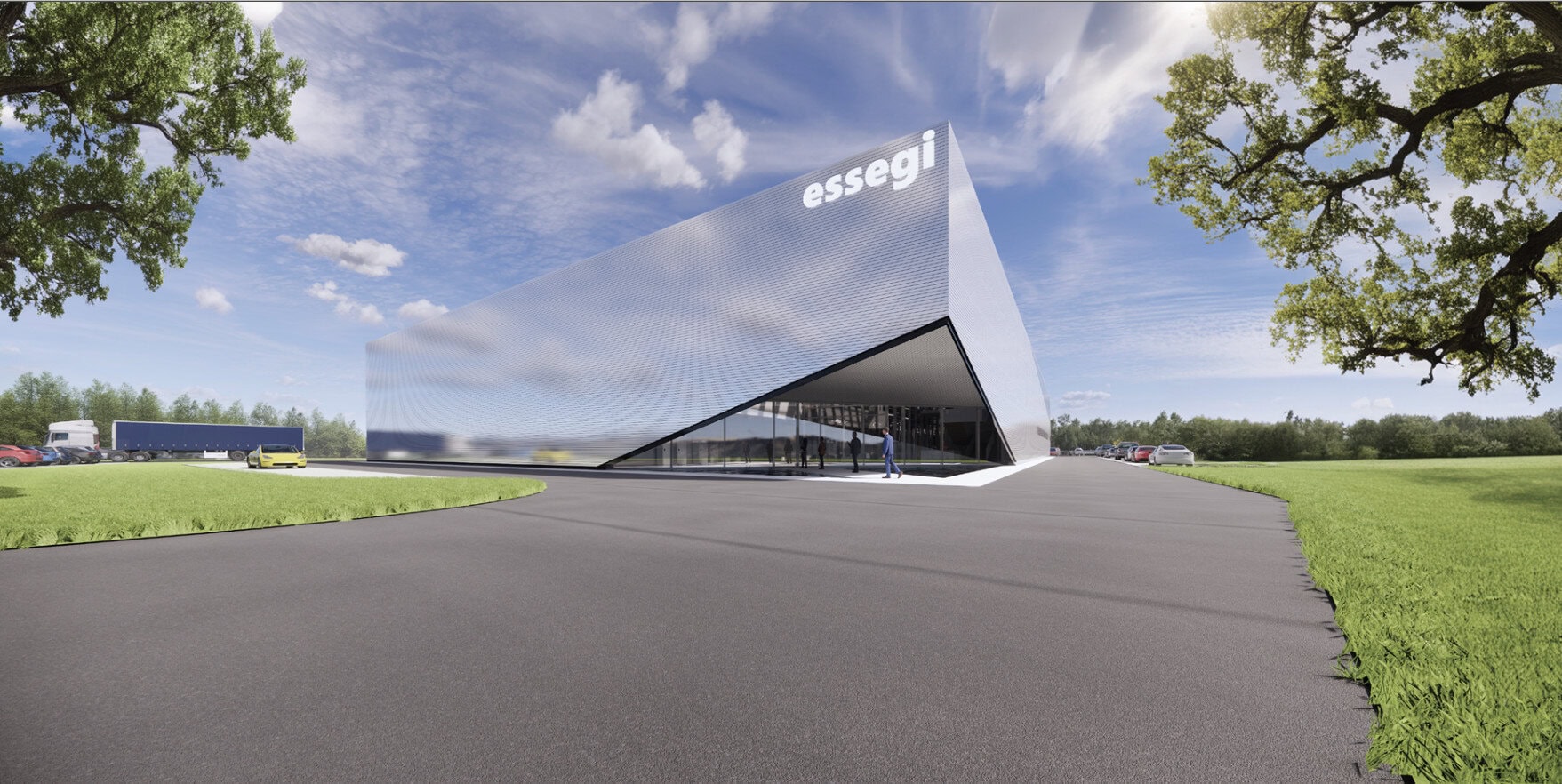
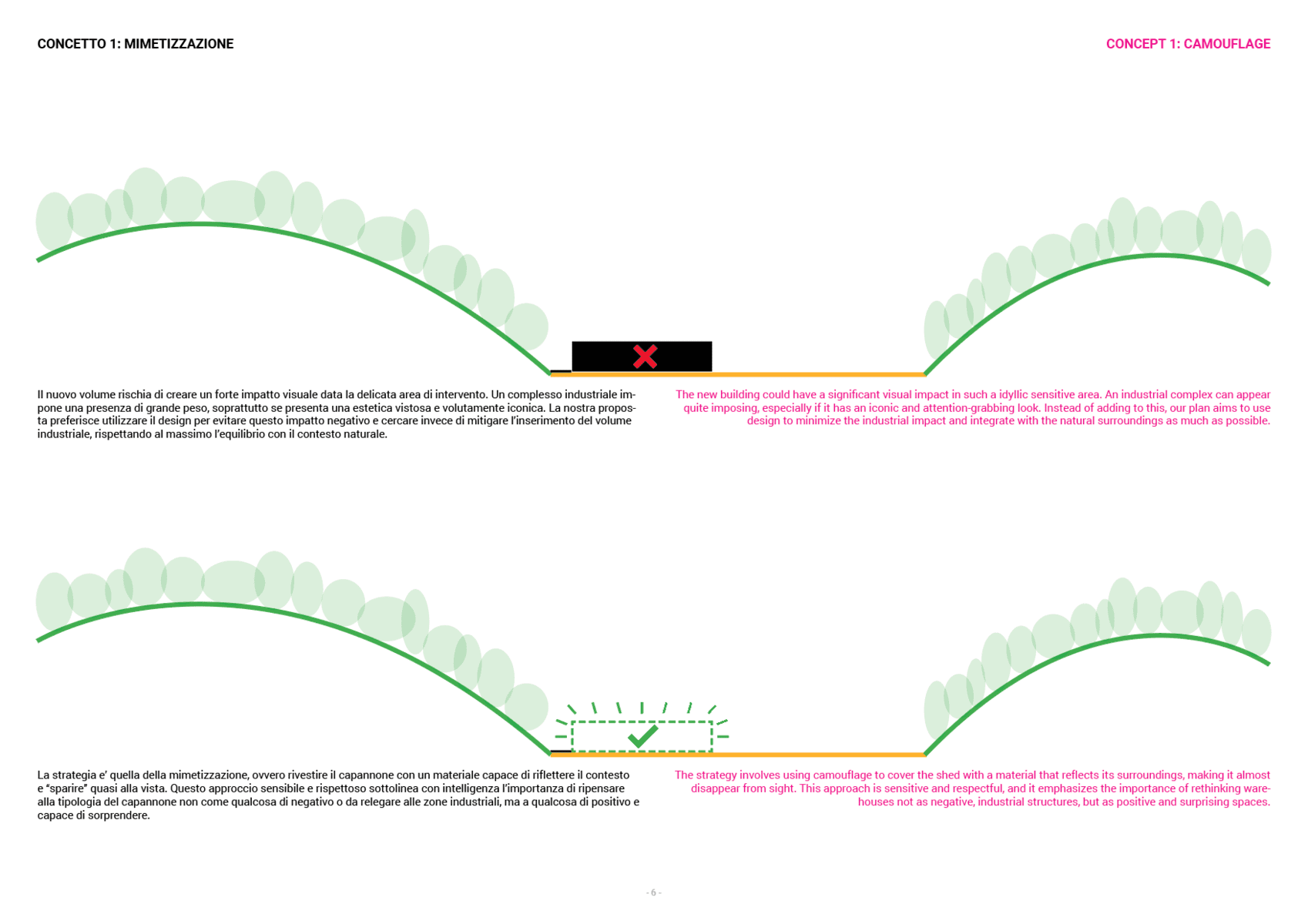
The key question we must ponder is this: how can we thoughtfully design an industrial building that not only respects but enhances this vibrant context? Our vision is to create a structure that harmonizes seamlessly with its surroundings, offering uplifting, minimalist spaces that serve the needs of both workers and visitors. By carefully balancing the requirements of industrial production with those of administrative areas, we have the potential to craft a sanctuary that fosters peace and invites exploration.
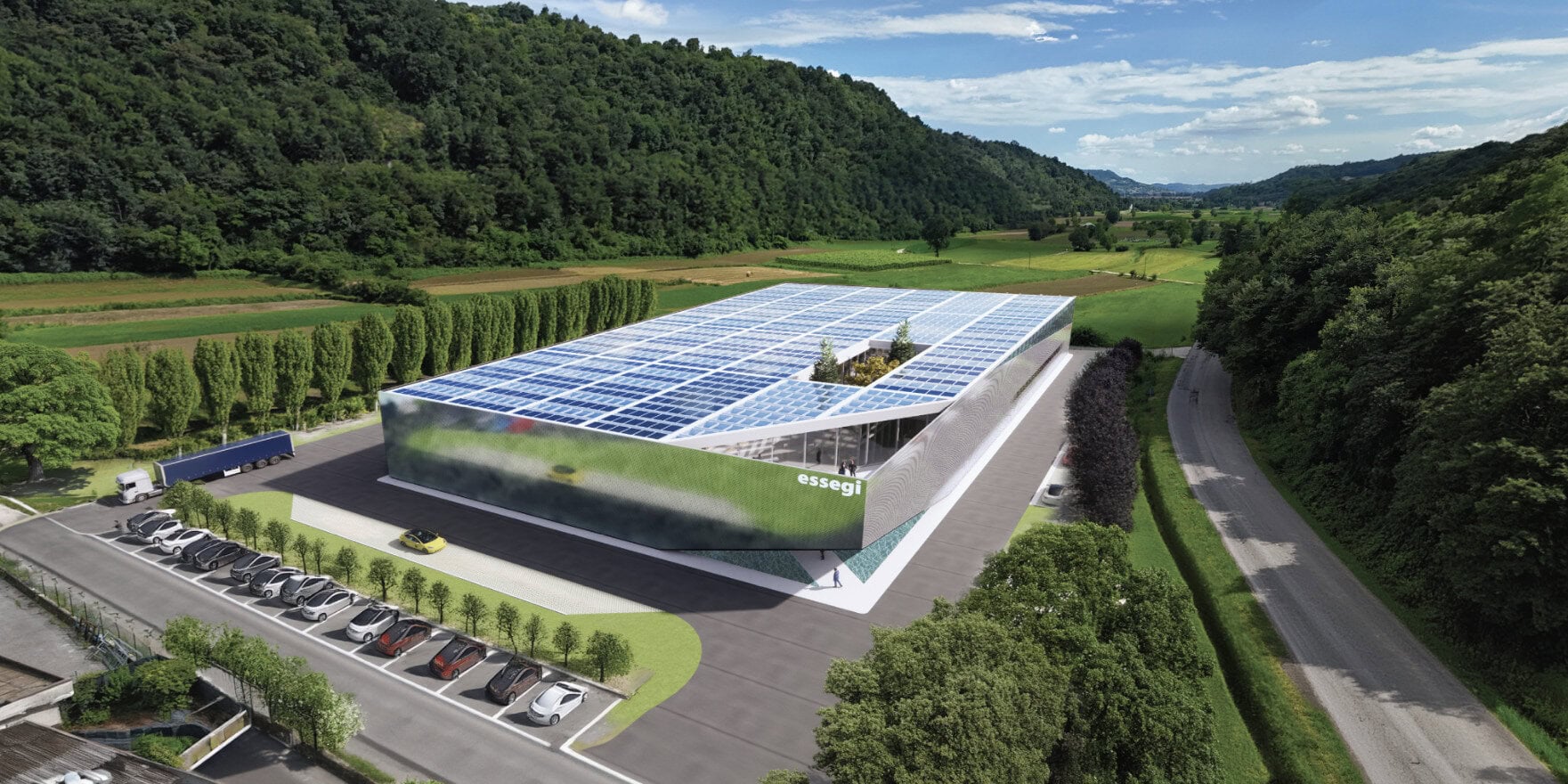
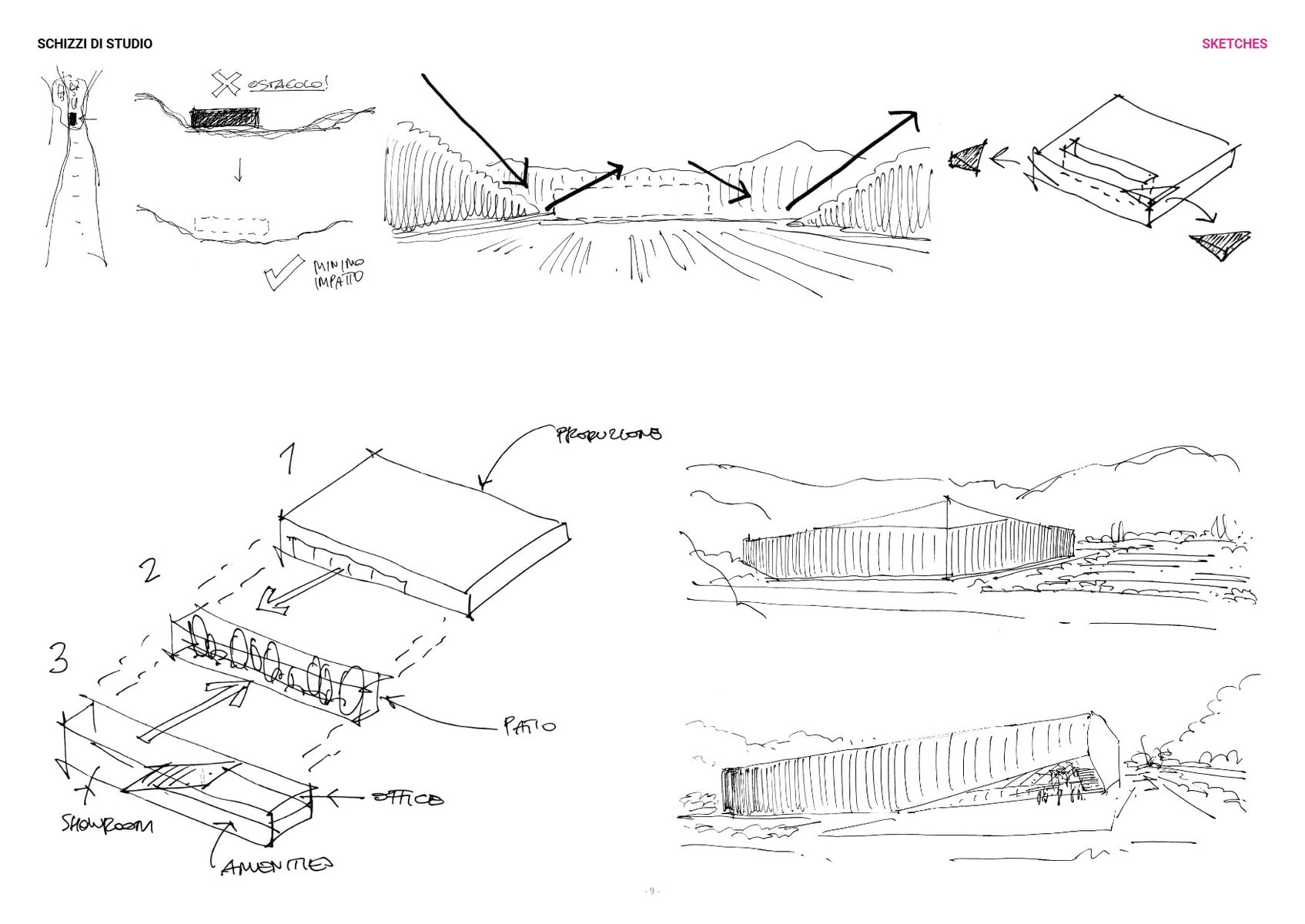
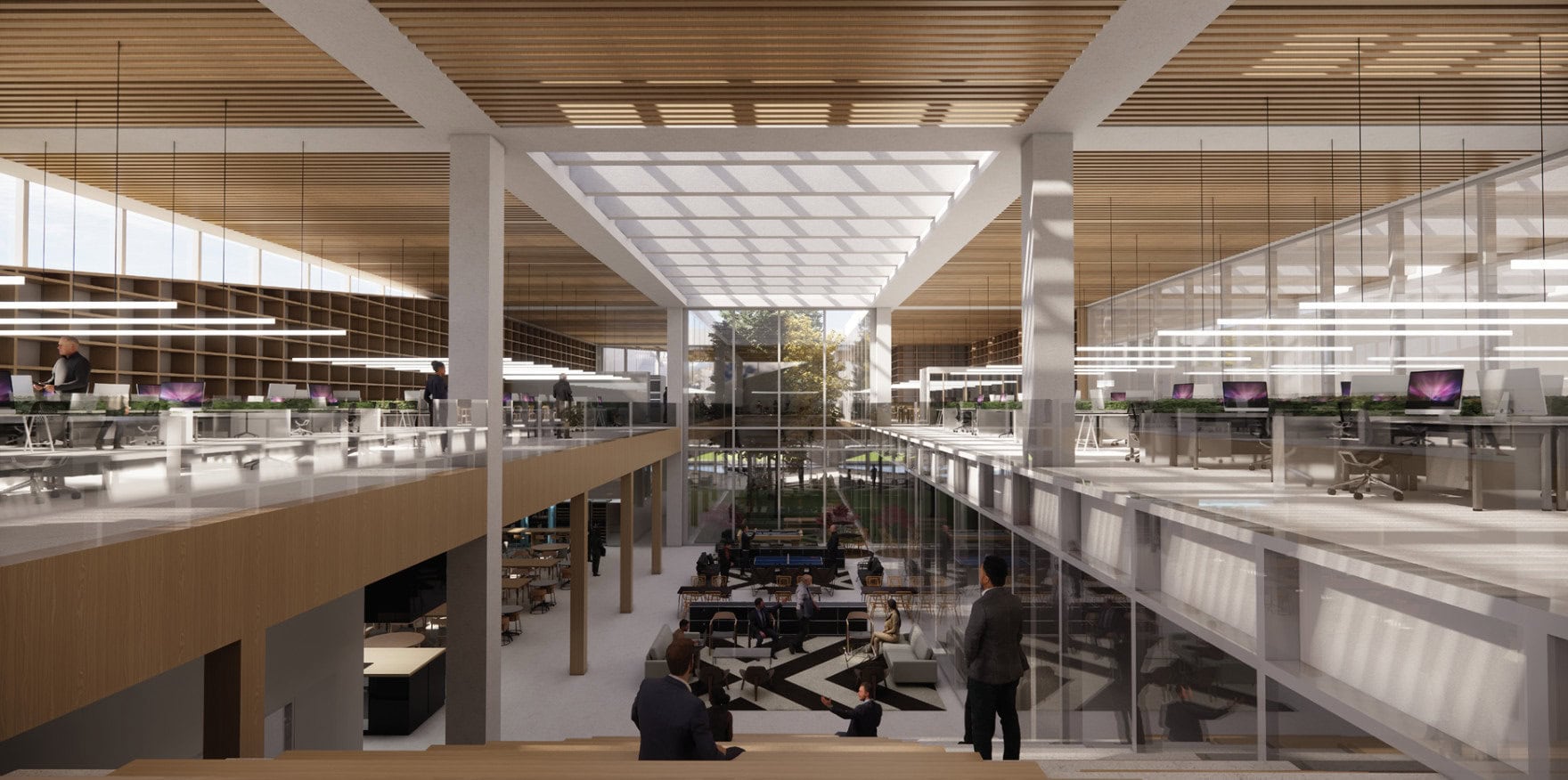
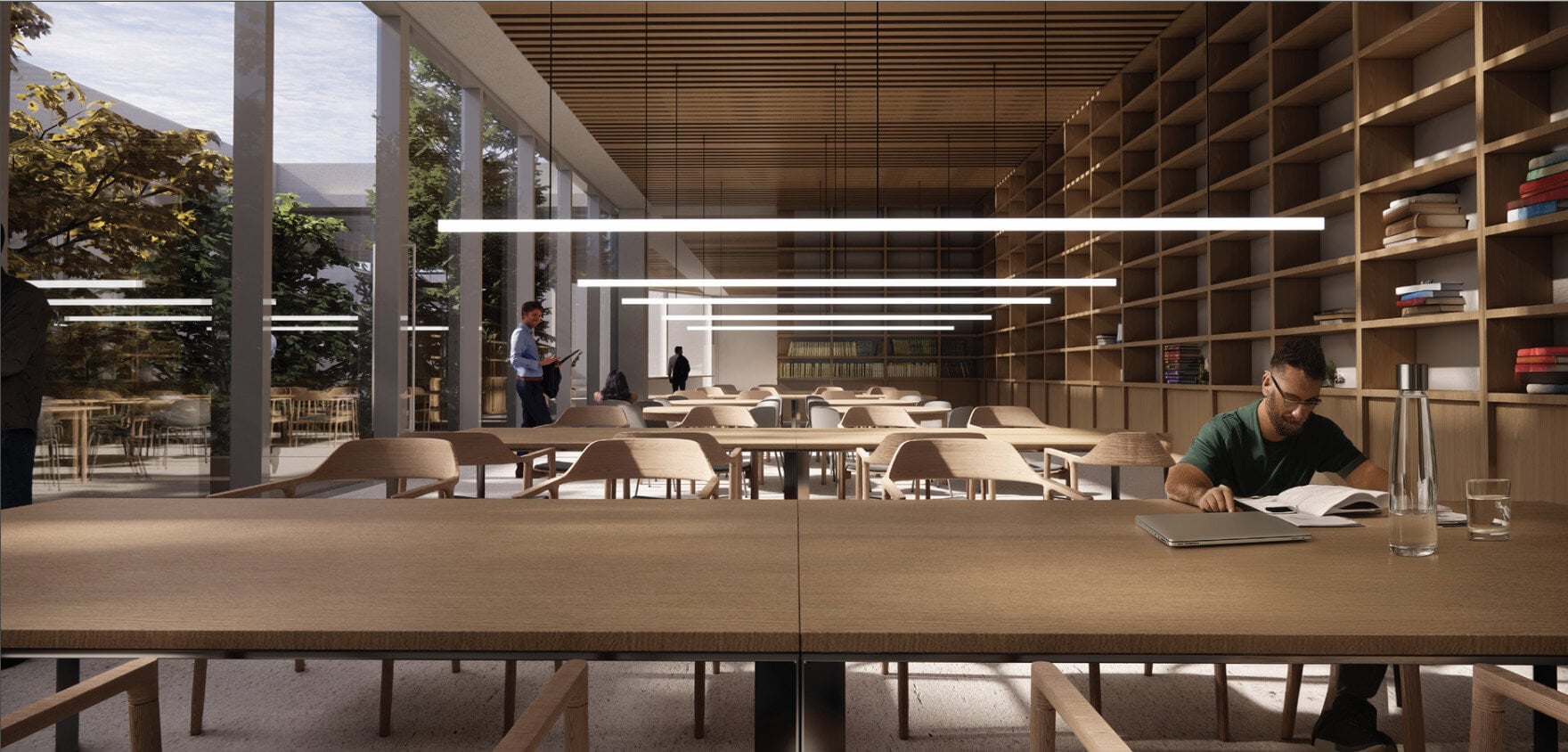
At the heart of our design is an internal garden, conceived as a refreshing breath of fresh air for workers within an otherwise industrial setting. This garden isn’t just a decorative element; it serves a vital purpose in fostering well-being and creativity among employees. Research has shown that access to green spaces significantly enhances mental health and productivity. By incorporating an internal garden, we create a serene escape from the hustle of daily tasks, allowing workers to recharge, collaborate, and generate innovative ideas in a tranquil environment. This biophilic design approach connects people with nature, reminding them of the beauty that exists just beyond the walls of their workplace.
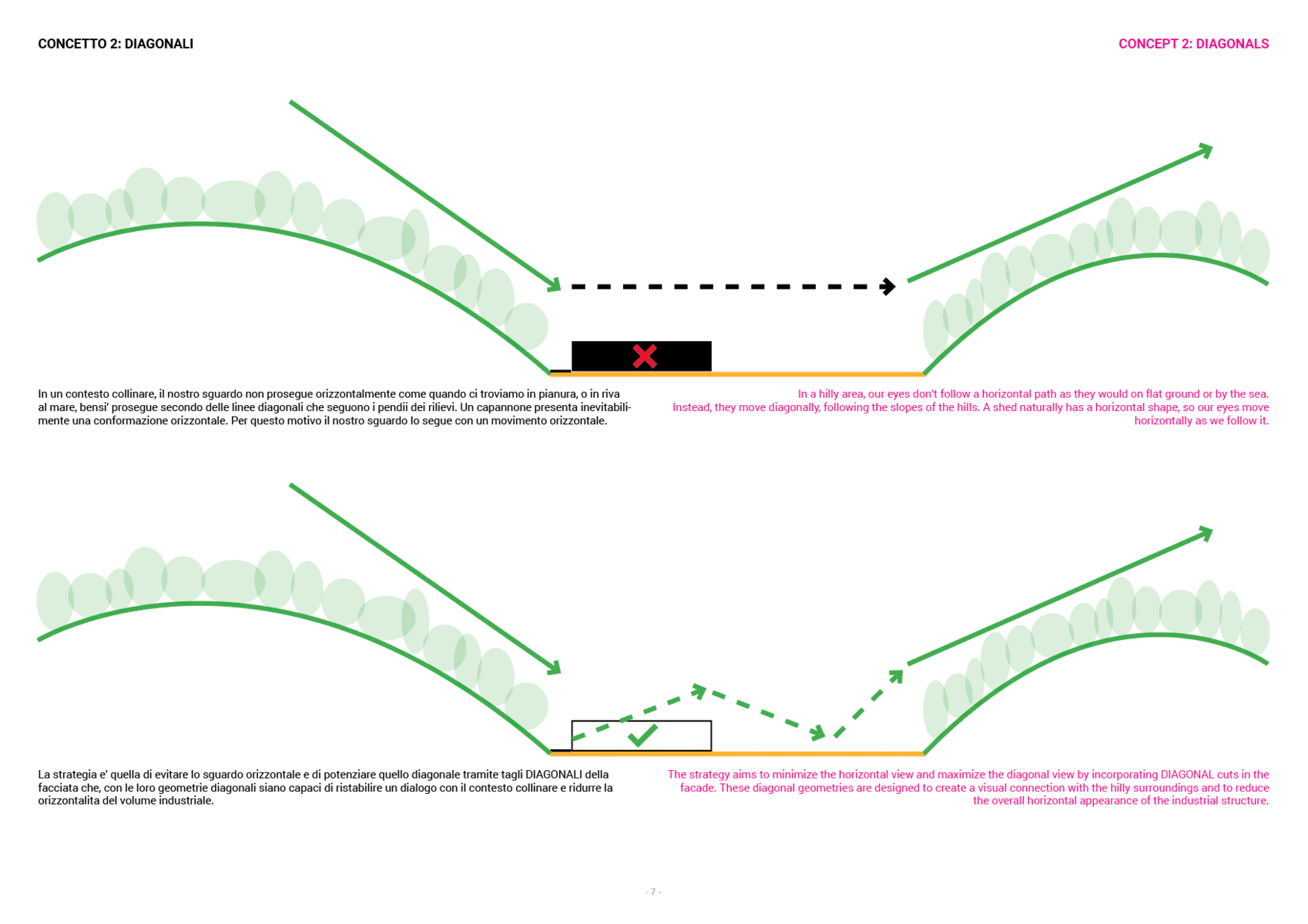
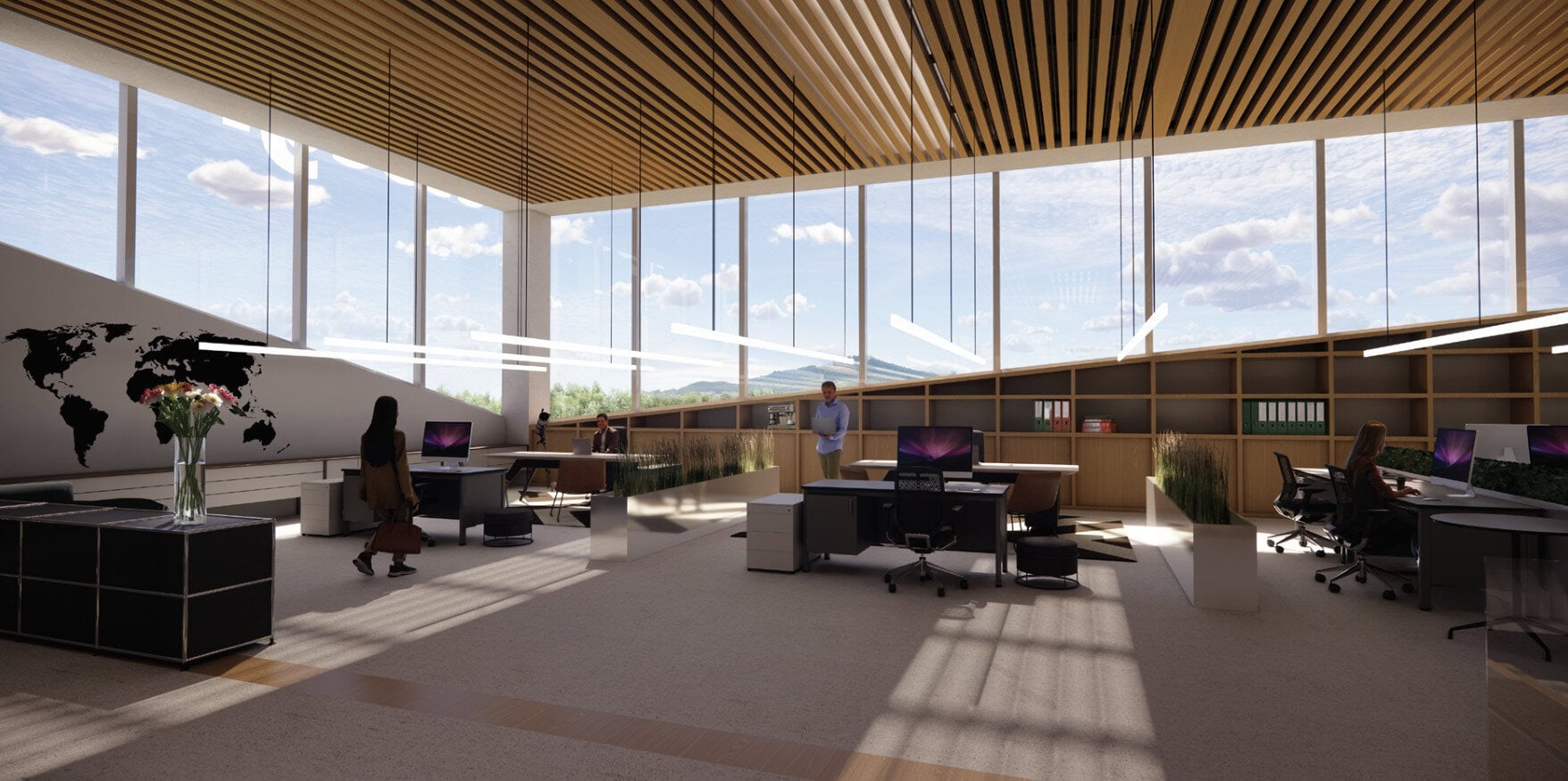
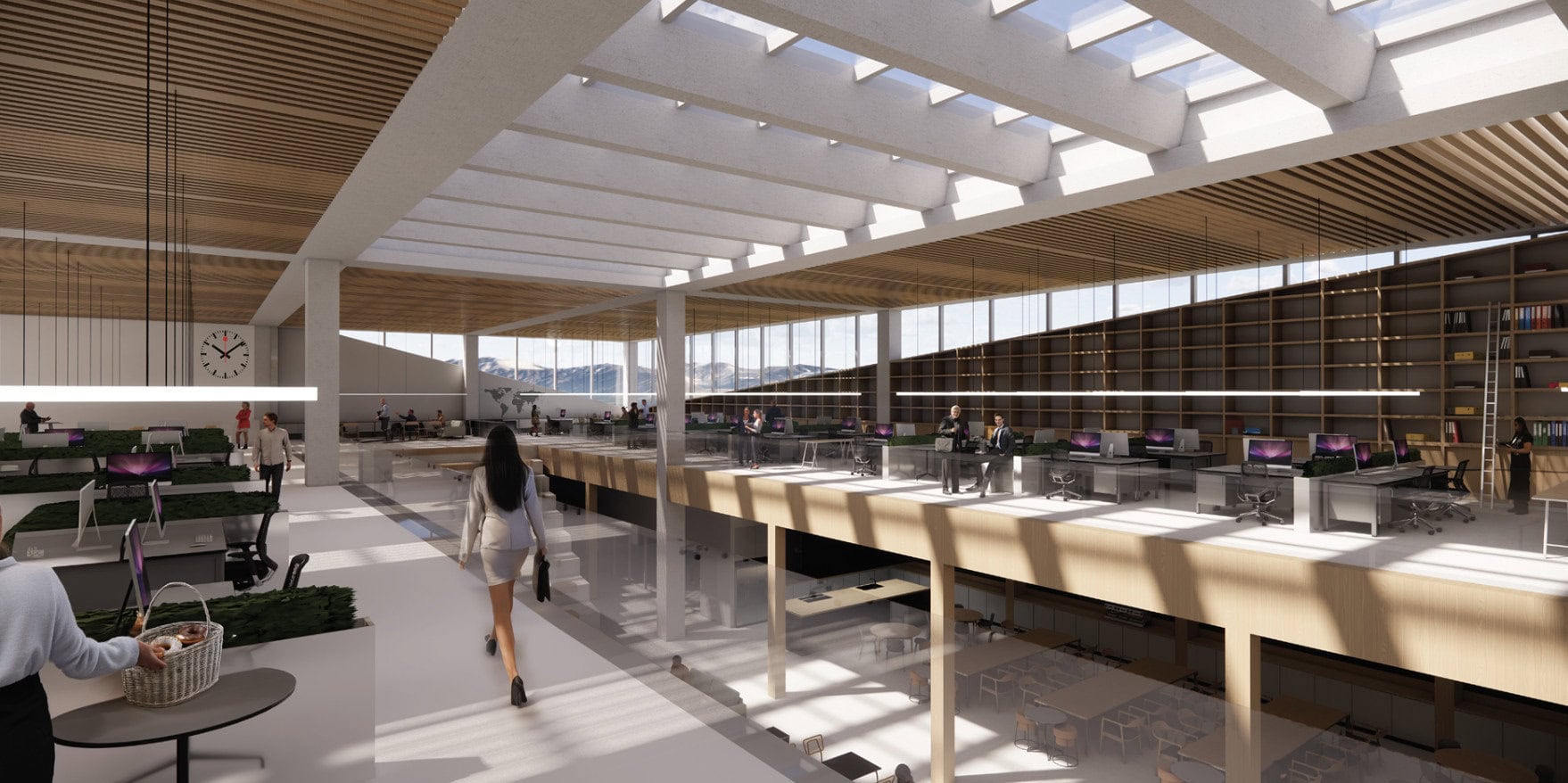
Moreover, the design strategically incorporates diagonally cut windows, elegantly merging the industrial structure with the gentle slopes of the surrounding hills. These windows don’t just allow natural light to flood the interior; they also bring the enchanting landscape indoors, creating a continuous dialogue between the built environment and nature. As visitors and employees interact with the building, the views will shift and change, providing a dynamic backdrop that evolves throughout the day and across the seasons. This interaction with nature is essential, as it enriches the experience of being in the space and enhances overall well-being.
The opportunity for industrial buildings to inspire and nourish lies in our willingness to rethink traditional design principles. Rather than viewing industrial spaces solely through the lens of functionality and productivity, we can see them as integral parts of a larger ecosystem that includes both human interests and environmental considerations. By integrating green spaces, natural light, and thoughtful architectural features, we can elevate these structures to become more than mere facilities—they can become places that inspire, connect, and nurture the people who inhabit them.
In pursuing this journey, we must also consider the surrounding community, acknowledging that design extends beyond the walls of a building. By engaging with local artisans, businesses, and residents, we can ensure that our industrial design reflects the culture and spirit of the Venetian countryside. Collaboration can lead to solutions that not only serve the needs of the industry but also enrich the local community, fostering an environment where economic viability and aesthetic quality coexist harmoniously.
Ultimately, our goal is to create a space that transcends the boundaries of conventional industrial buildings—a place that invites creativity and reflection. Let us embrace this journey and the immense potential it holds for reimagining the future of design. By thoughtfully merging industrial functionality with the specific characteristics of the Venetian countryside, we can leave a lasting impact on the landscape and the lives of those who engage with the space. Together, we have the chance to transform industrial areas into vibrant destinations that celebrate the beauty of our environment while addressing the needs of contemporary society. Through this synthesis of nature and industry, we can create a legacy of design that resonates for generations to come.