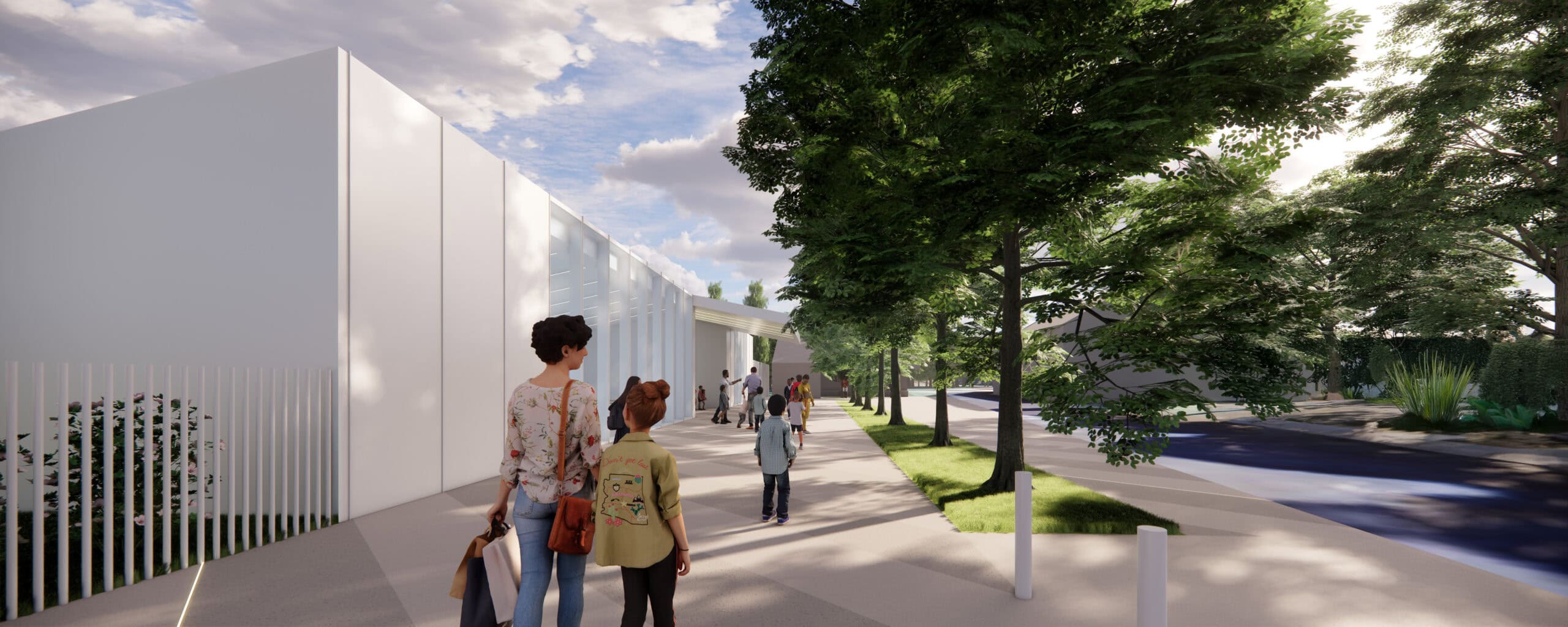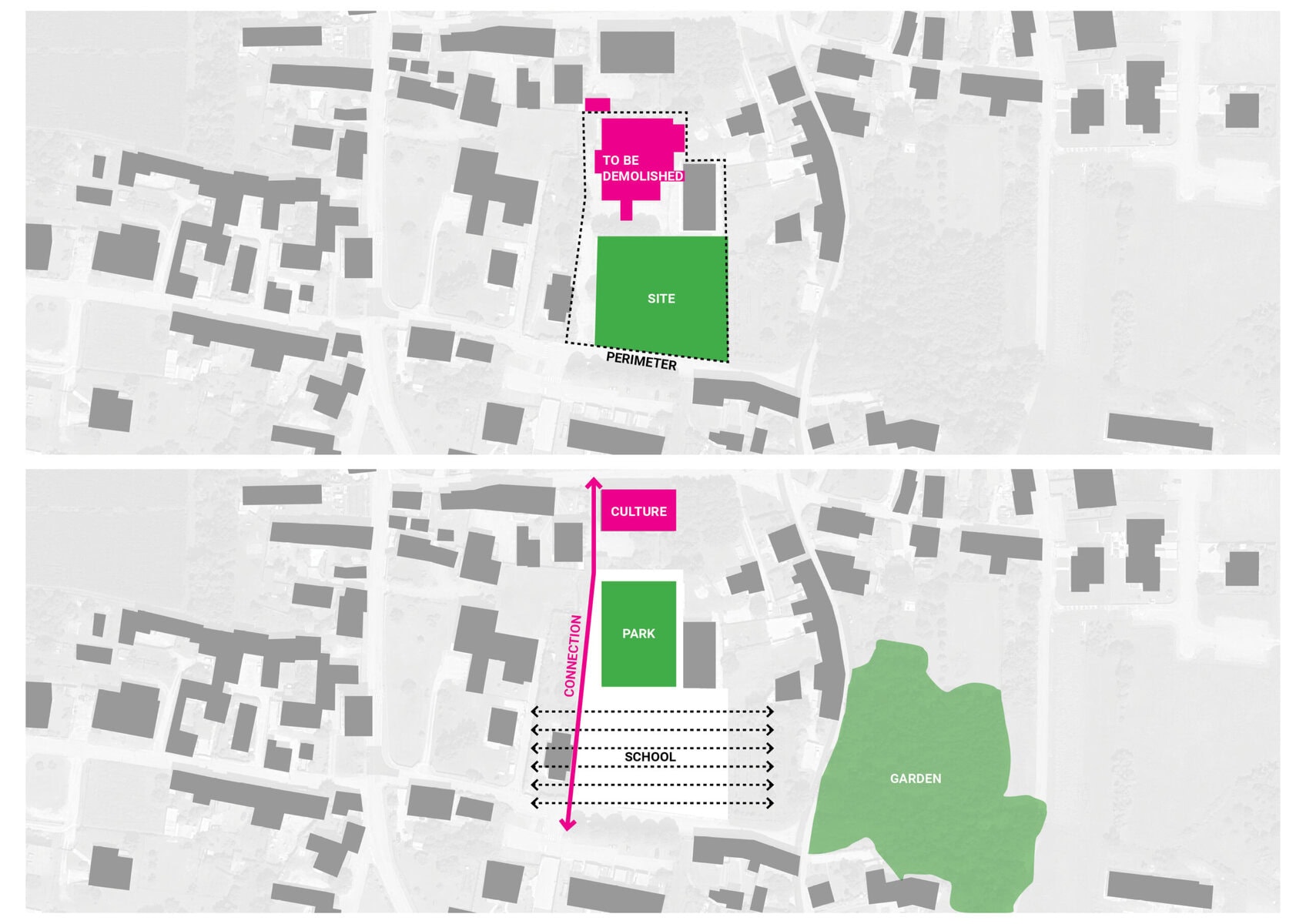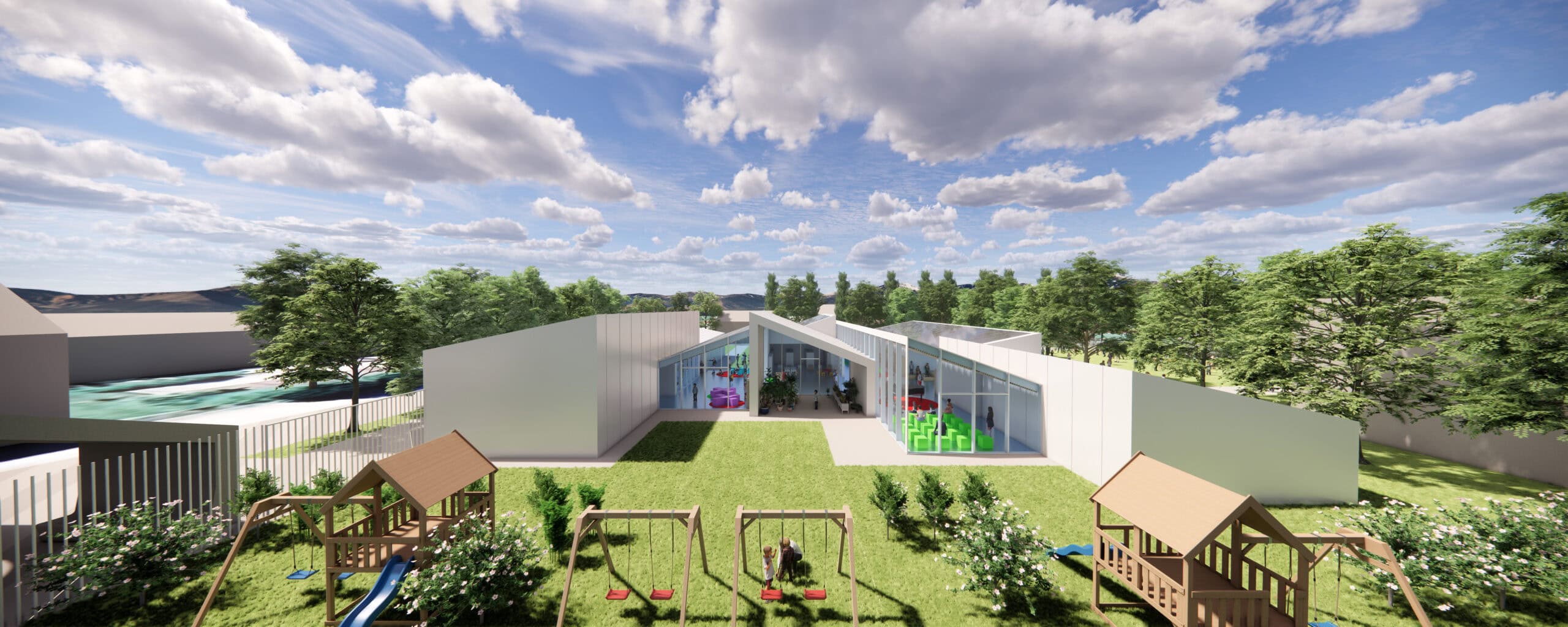
The design of the elementary school in northern Italy is rooted in a deep respect for the surrounding urban morphology, seamlessly integrating with the neighbourhood while enhancing the educational experience for its young inhabitants. The architecture aims to create a harmonious dialogue between the built environment and the natural elements, ensuring that every aspect of the school promotes learning, creativity, and well-being.
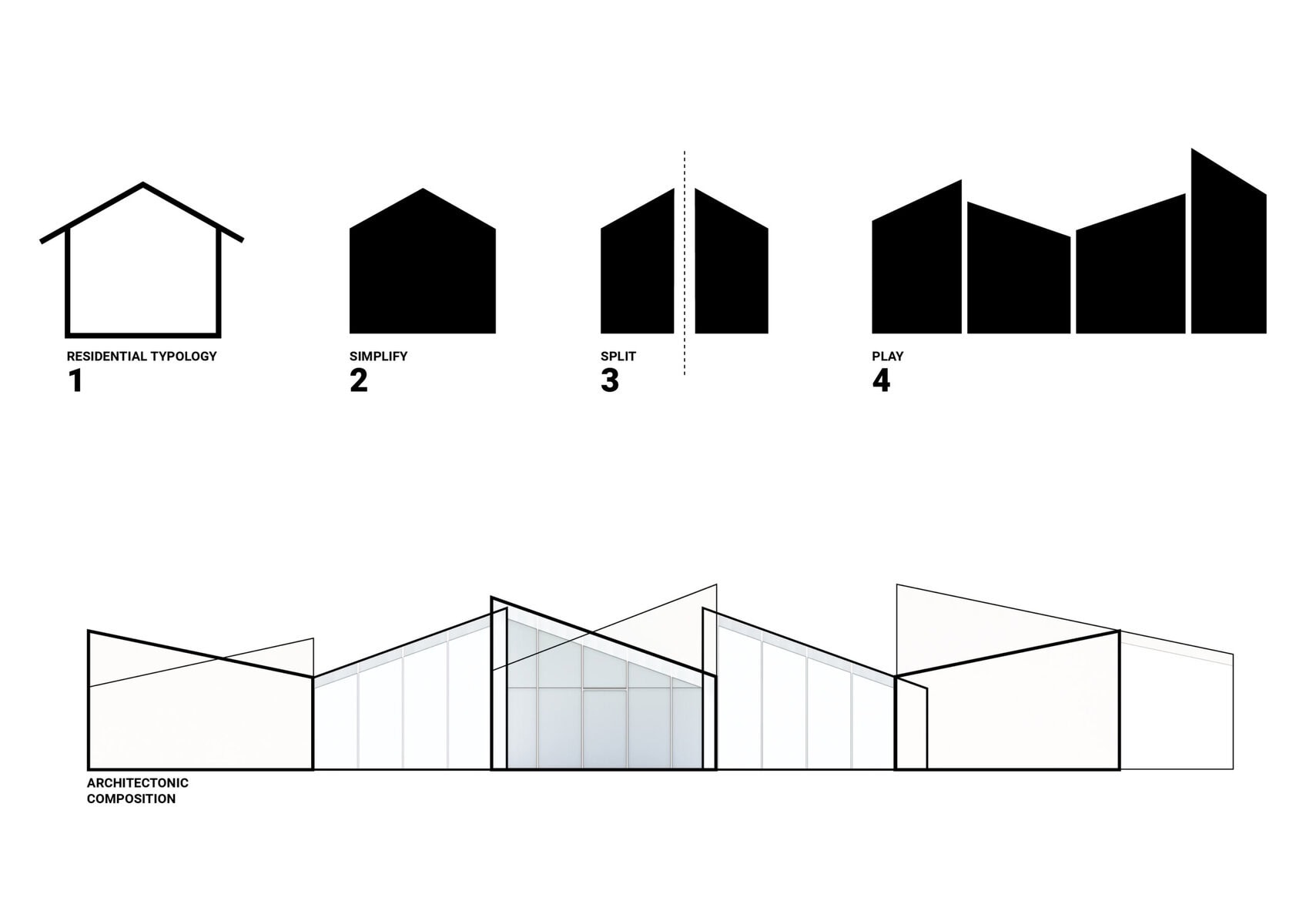
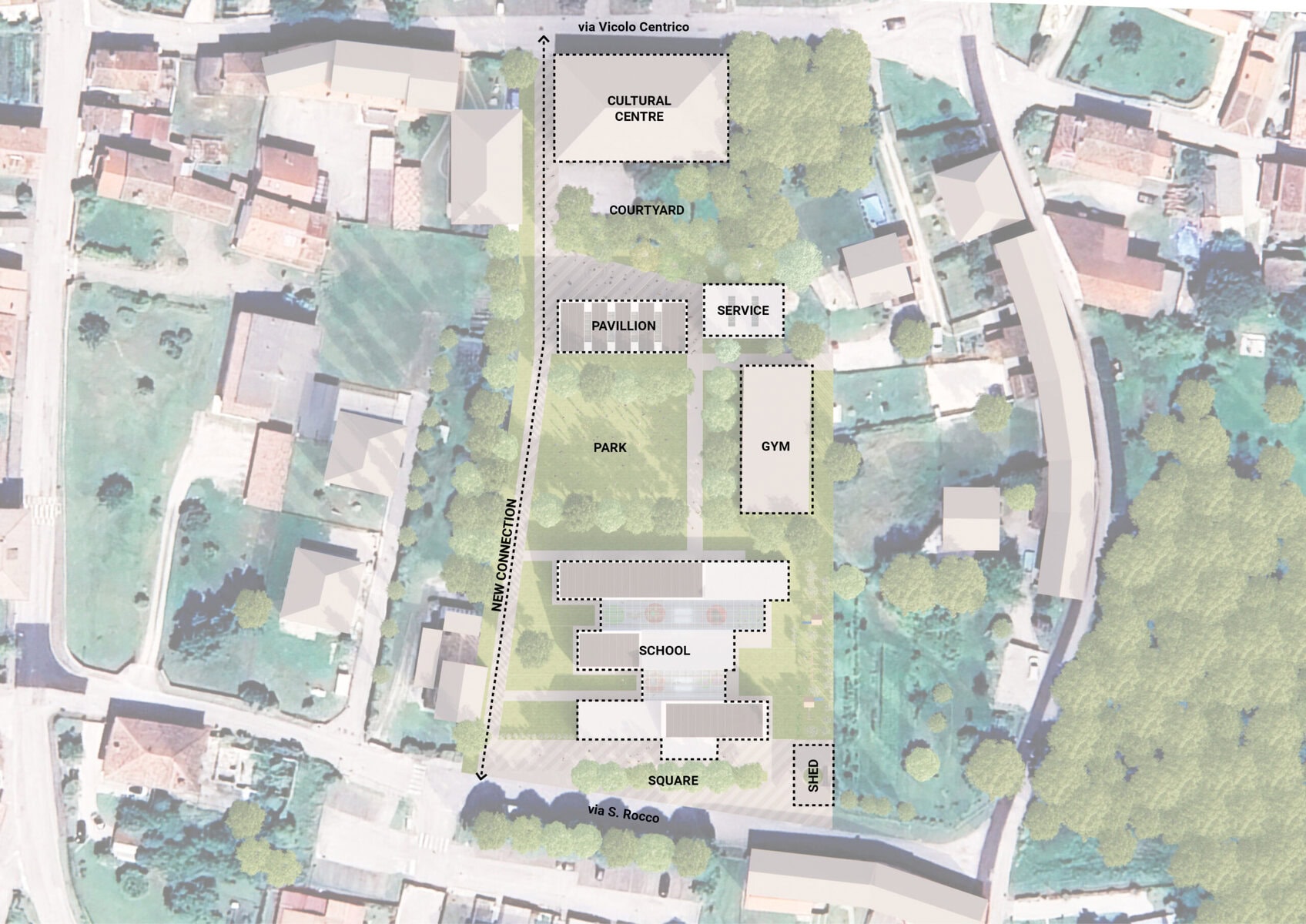
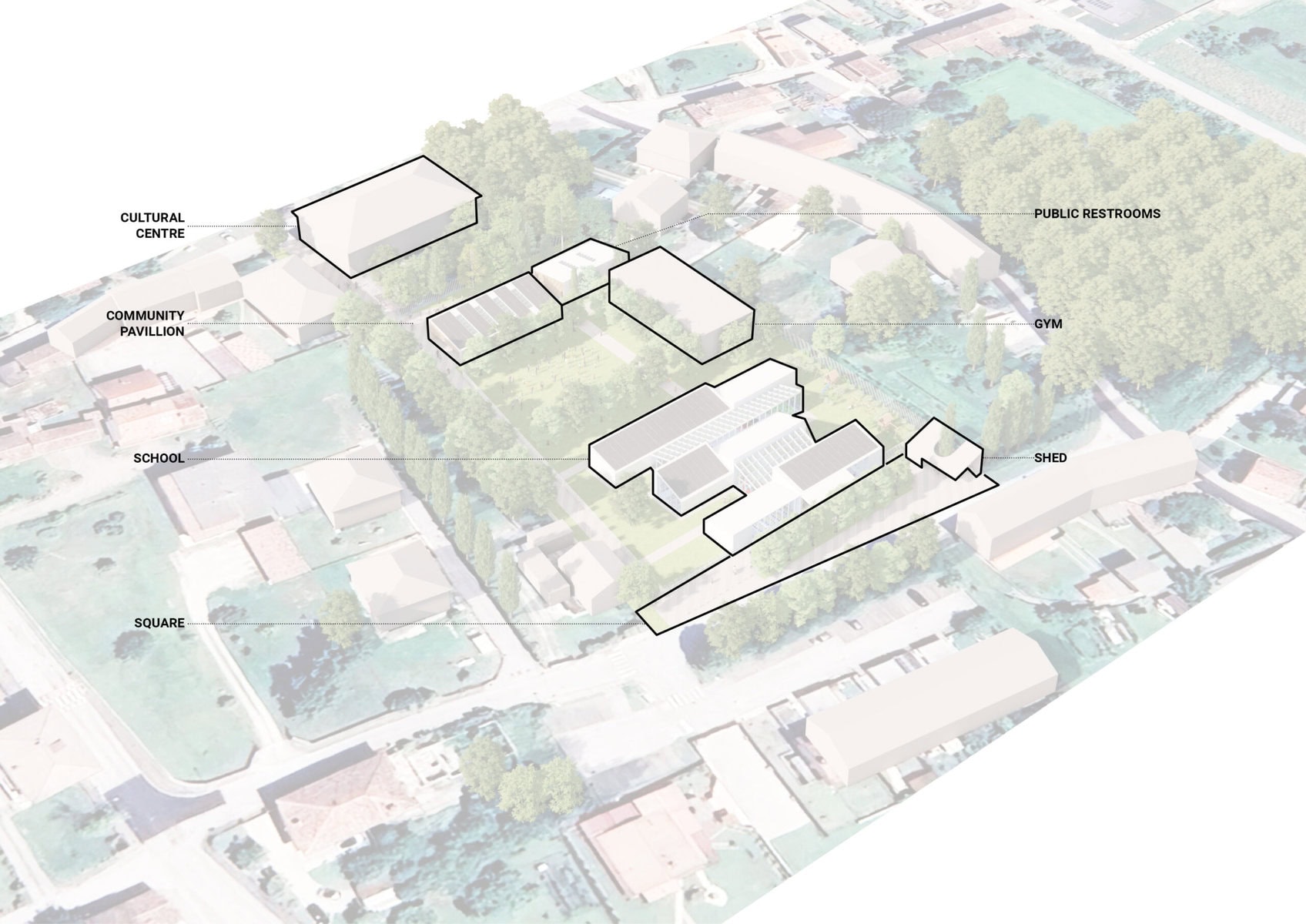
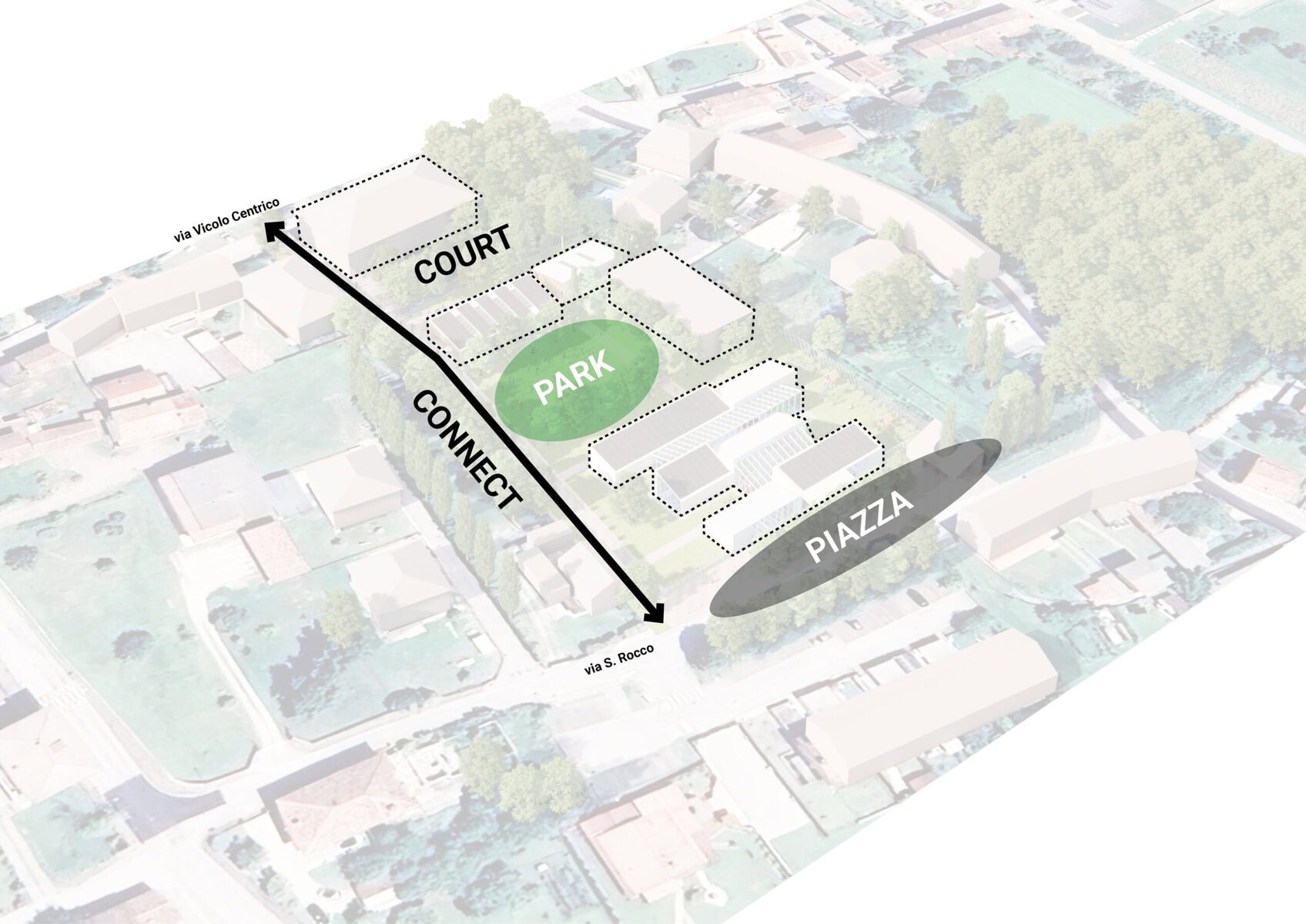
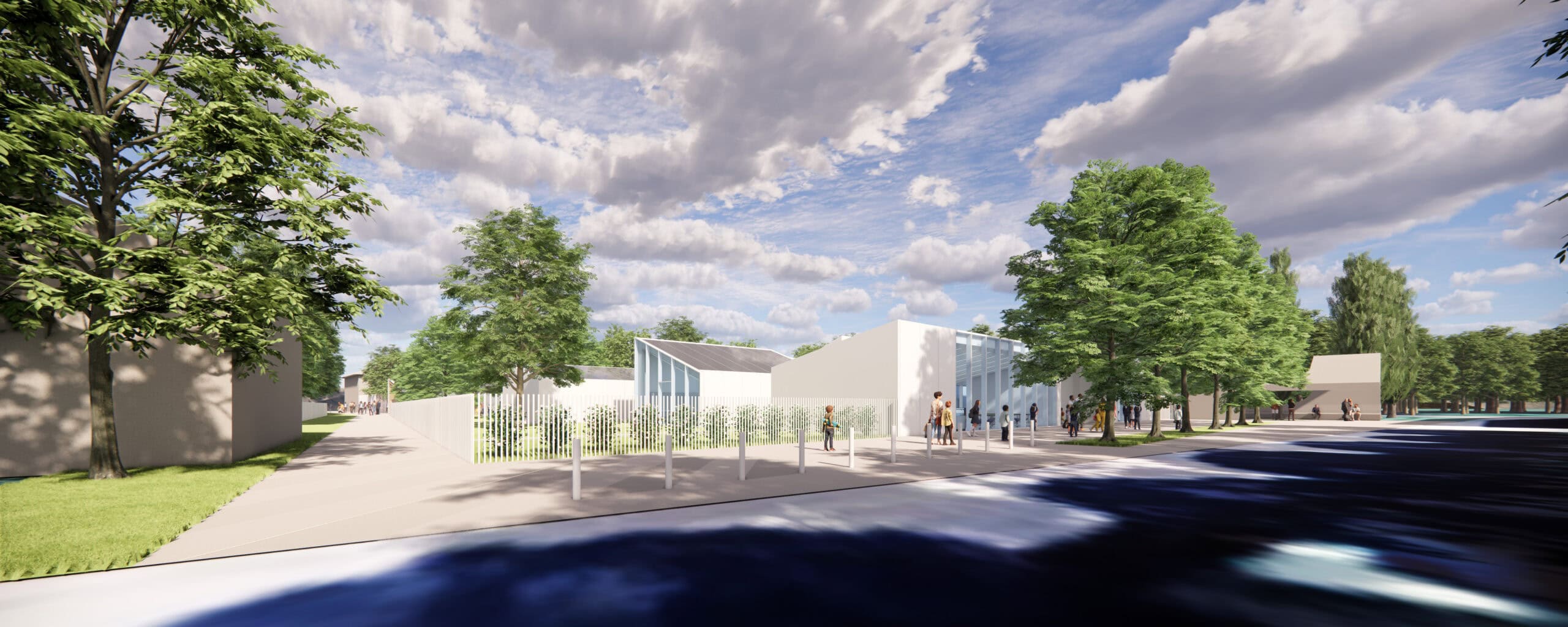
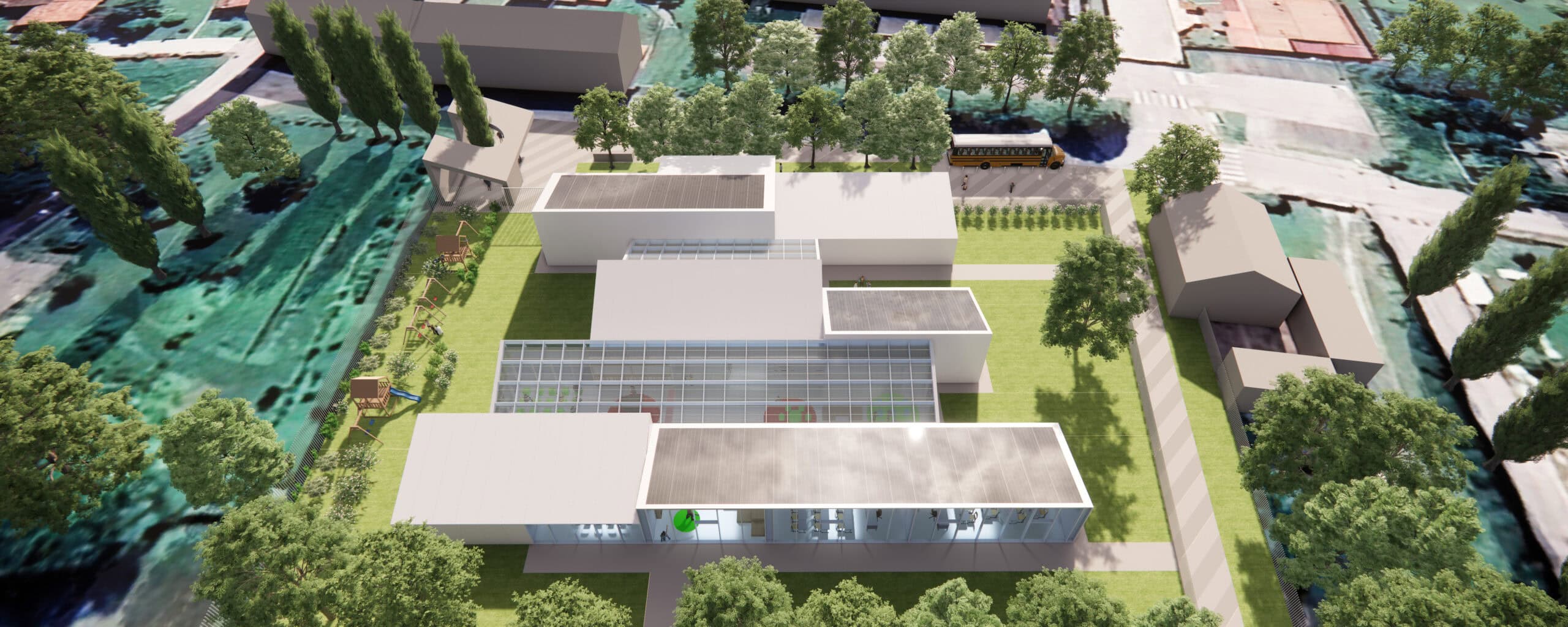
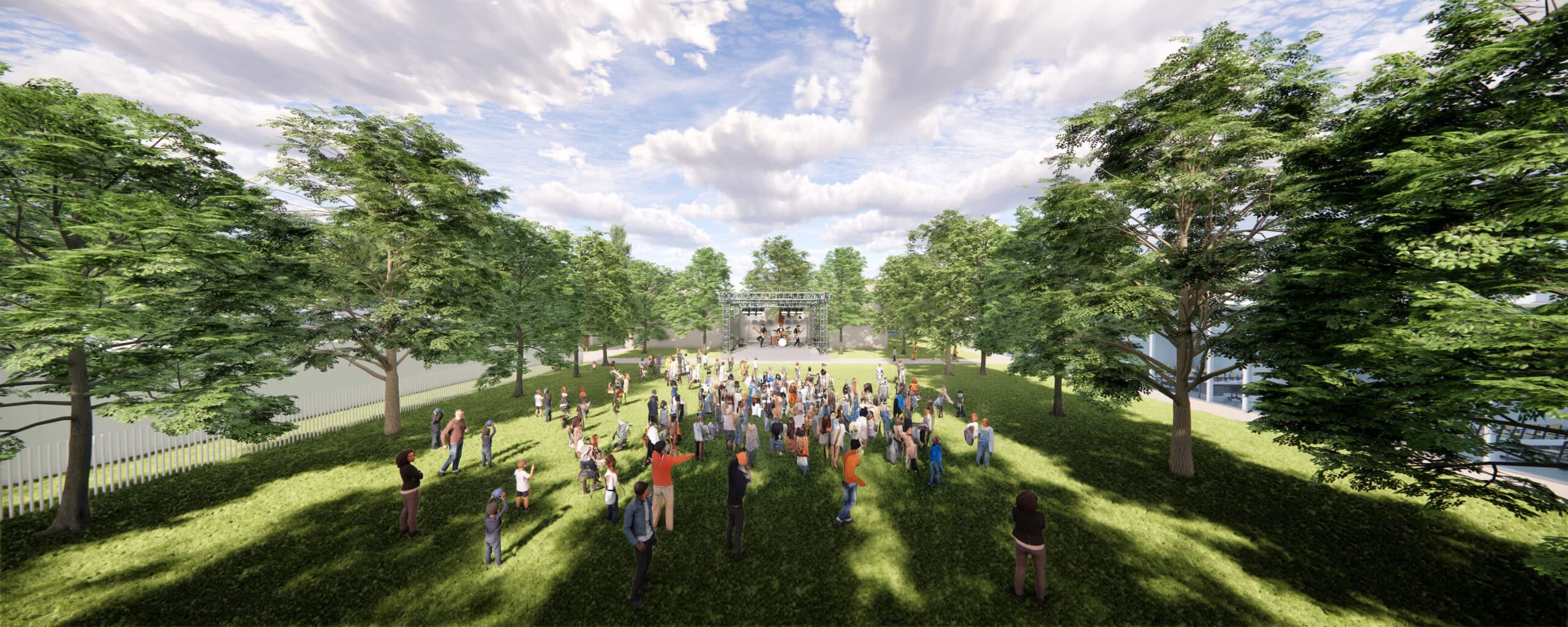
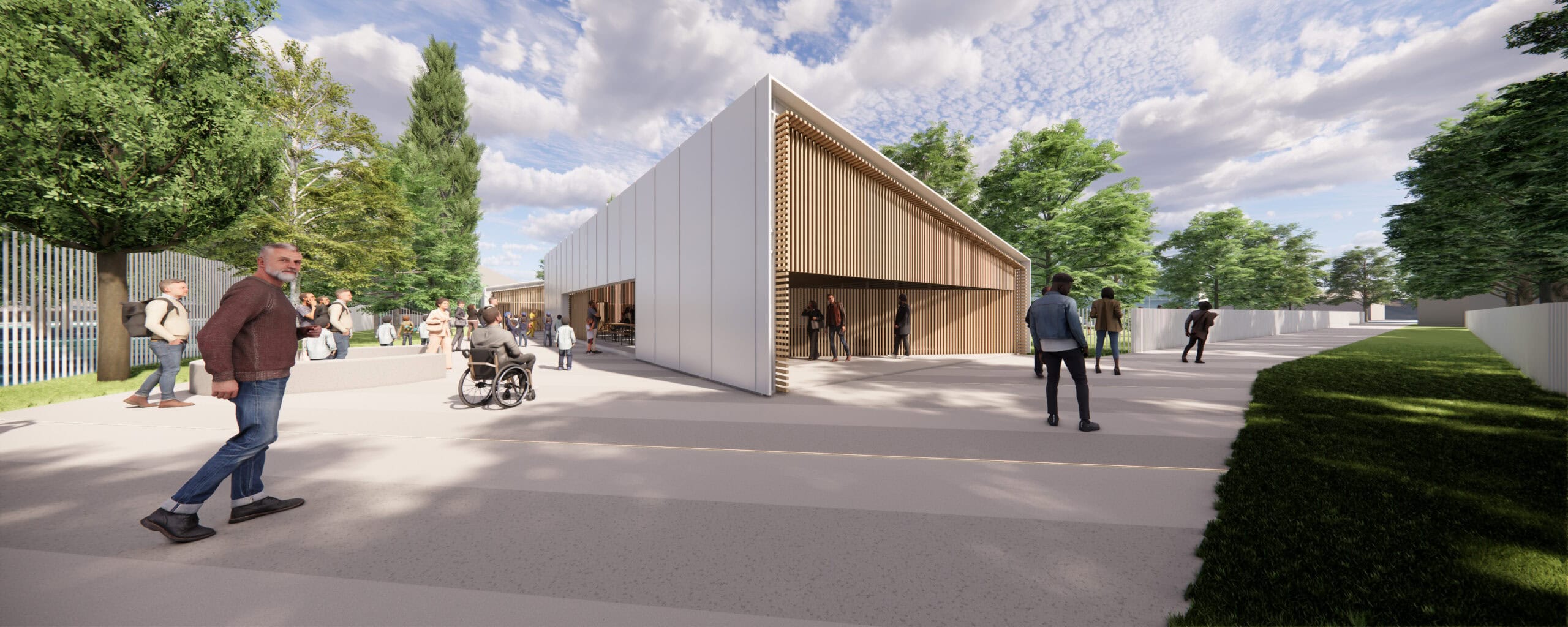
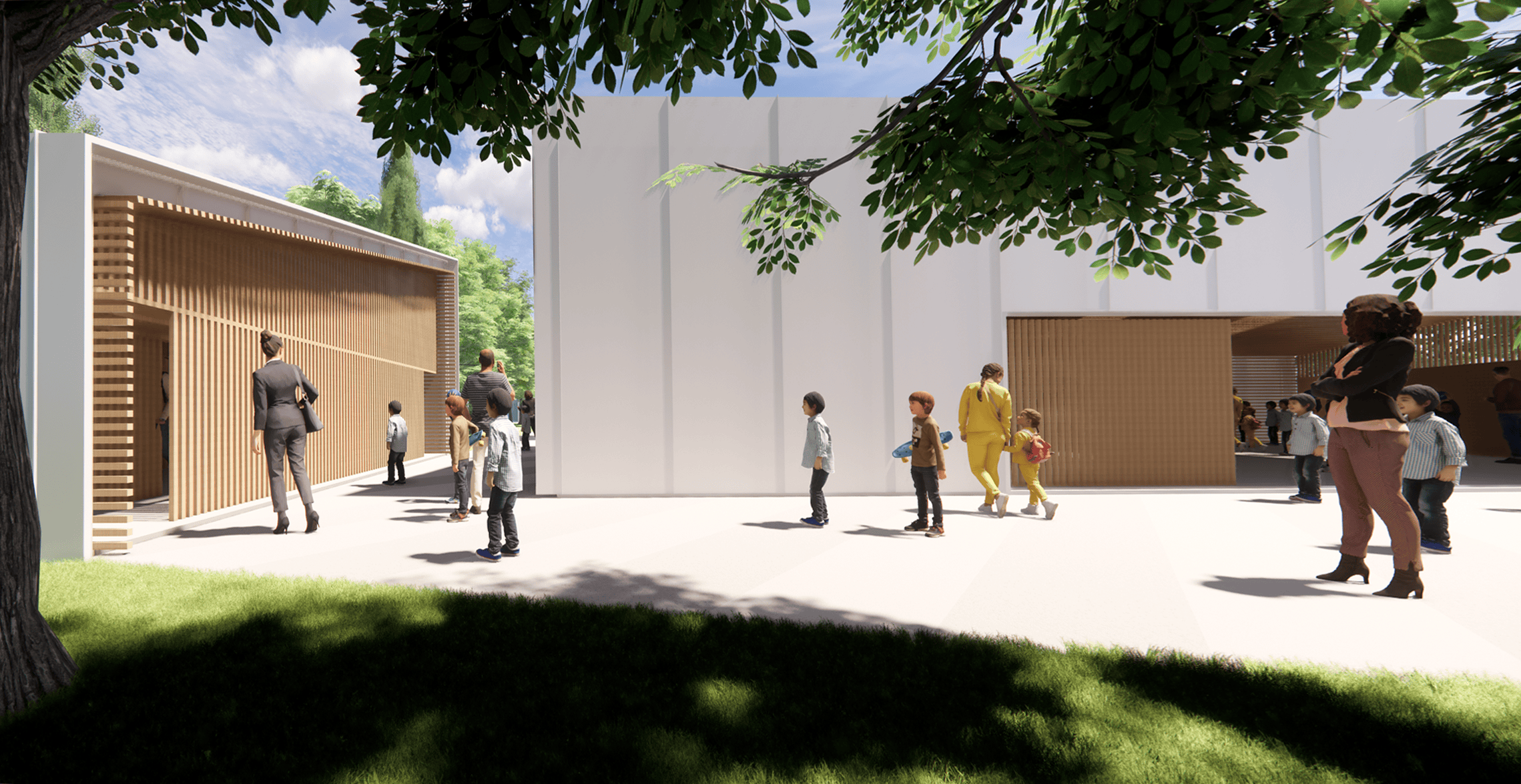
Situated within a small, traditional urban context, the school embraces its environment by reflecting local architectural styles while introducing modern elements. The layout is planned to engage with the street, encouraging community interaction and fostering a sense of belonging among students, parents, and local residents. This connection to the urban landscape not only supports community involvement but also enhances the students’ understanding of their surroundings.
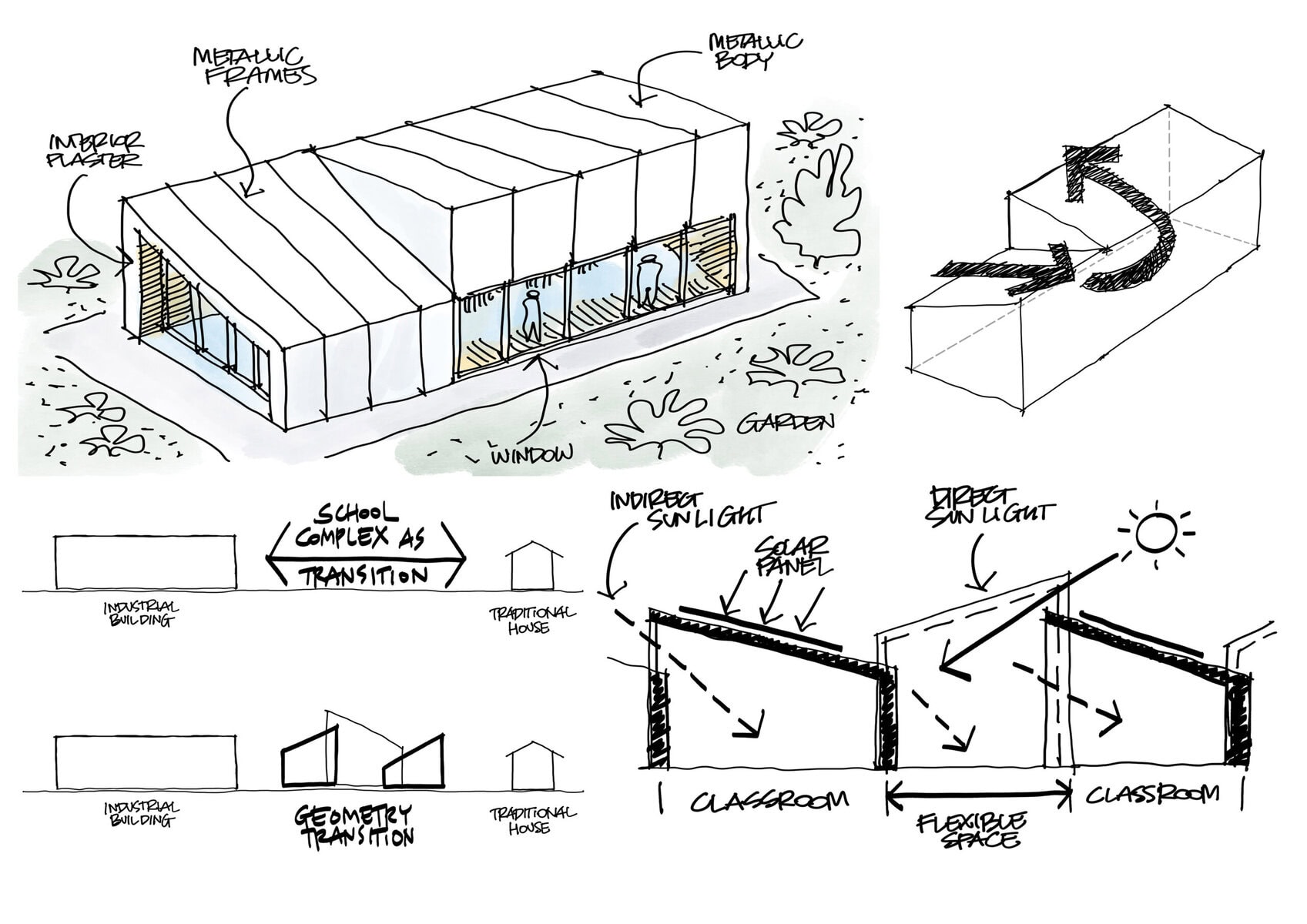
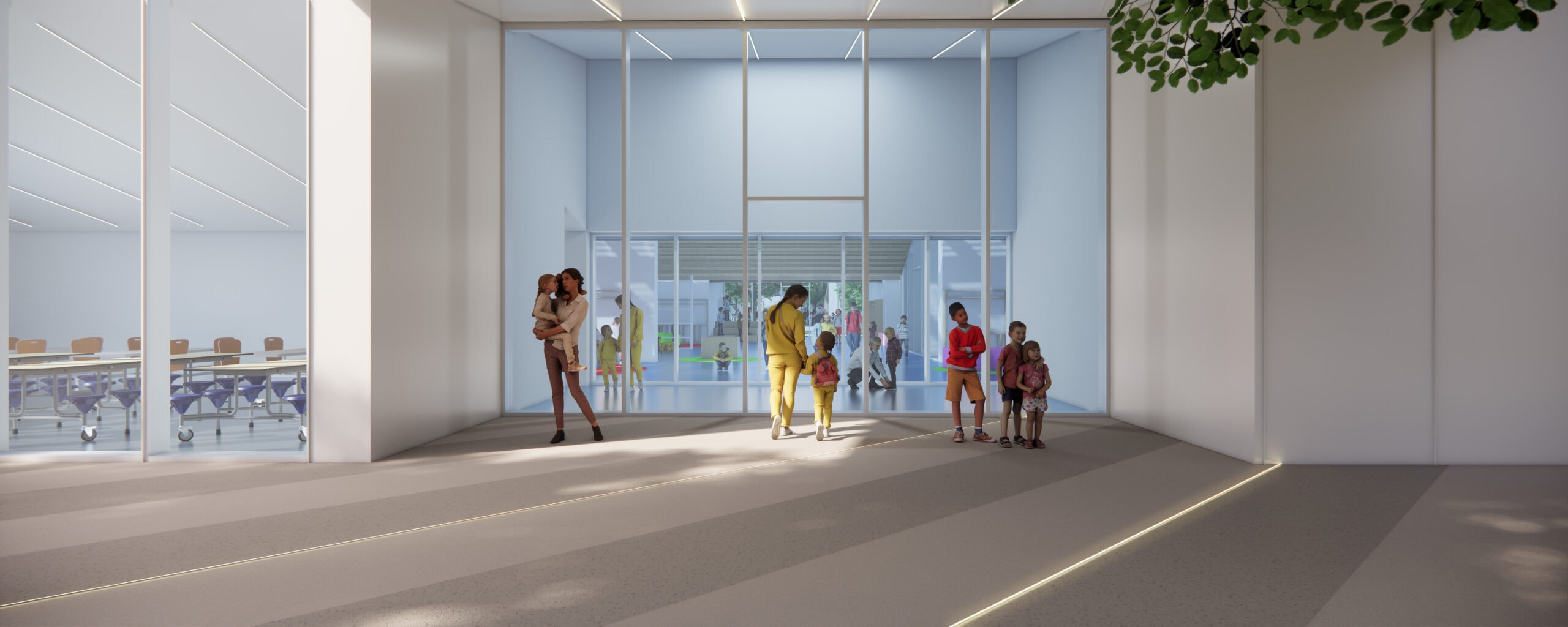
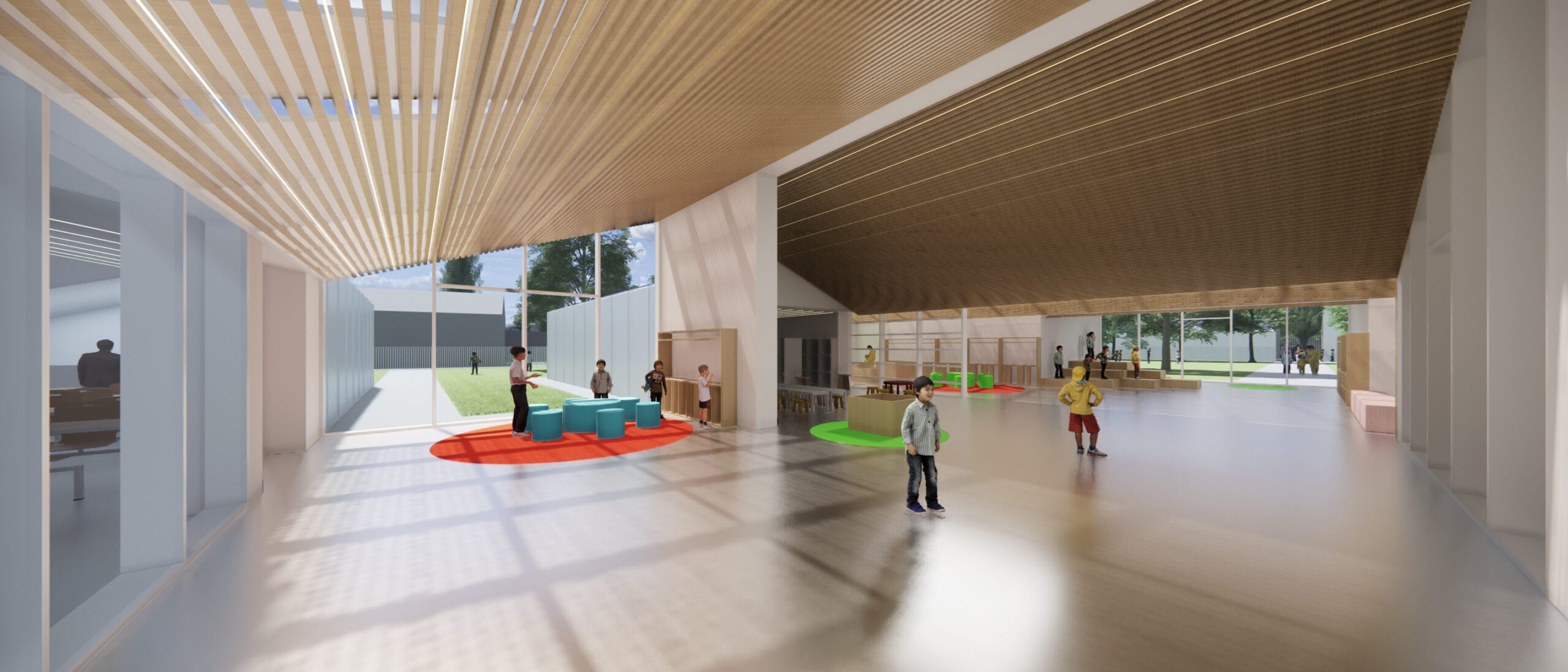
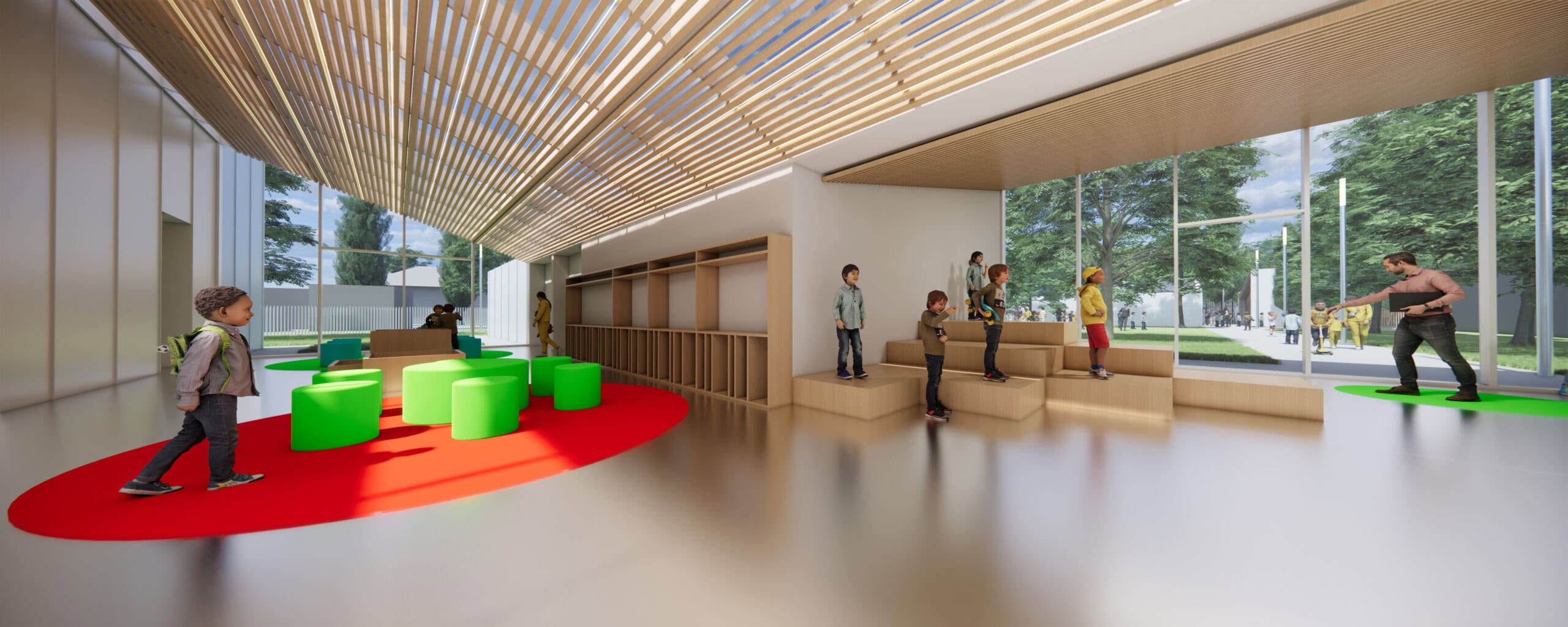
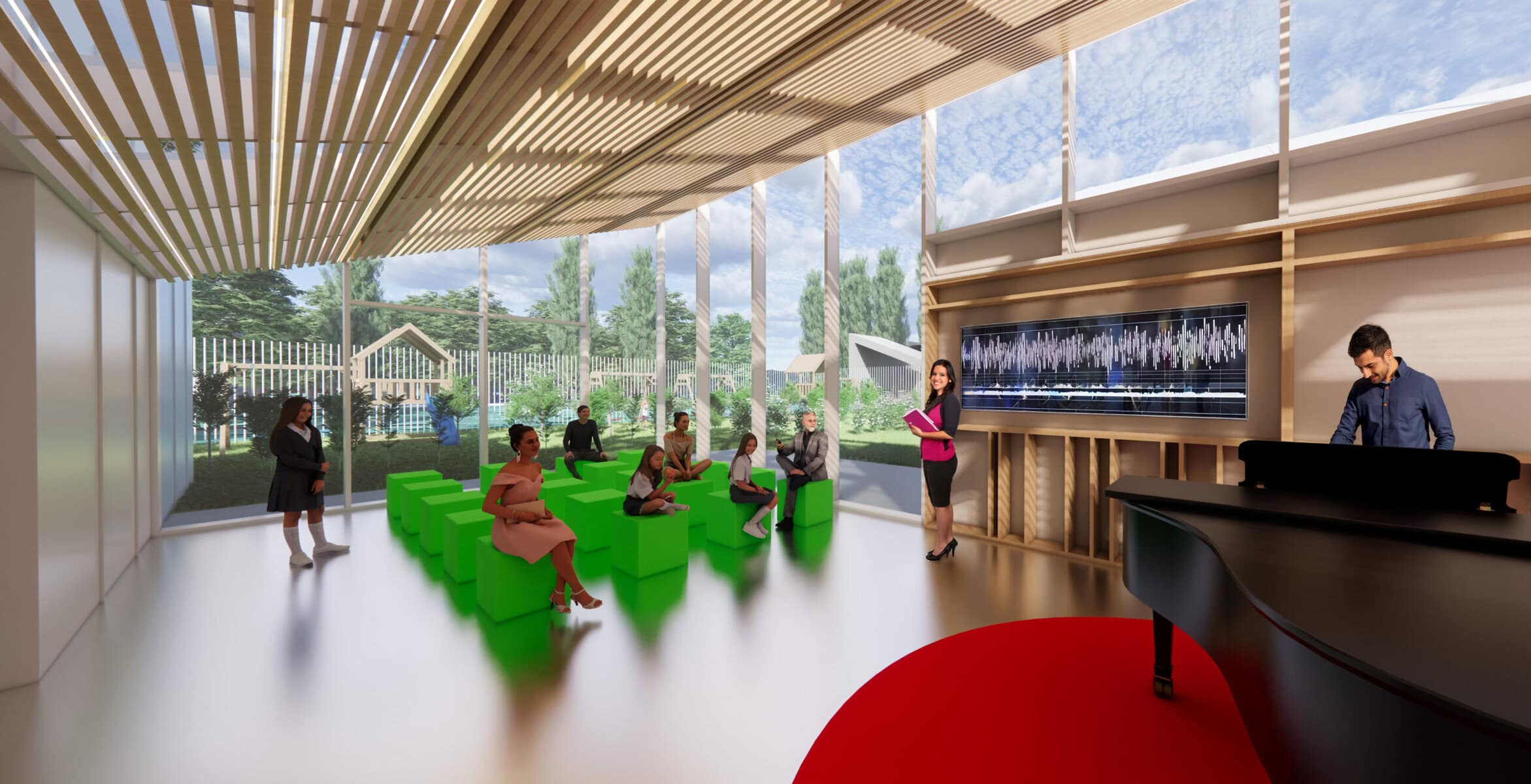
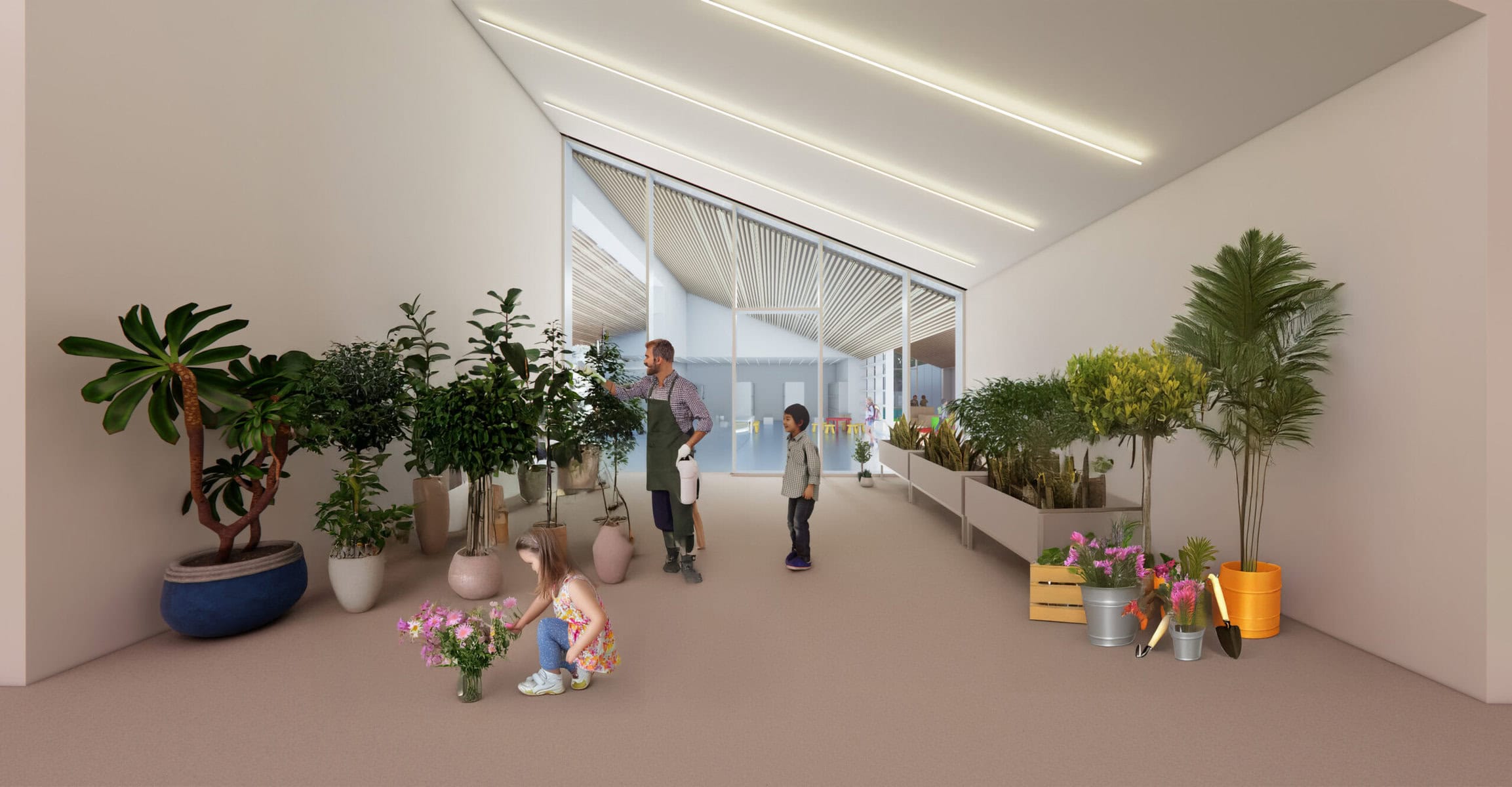
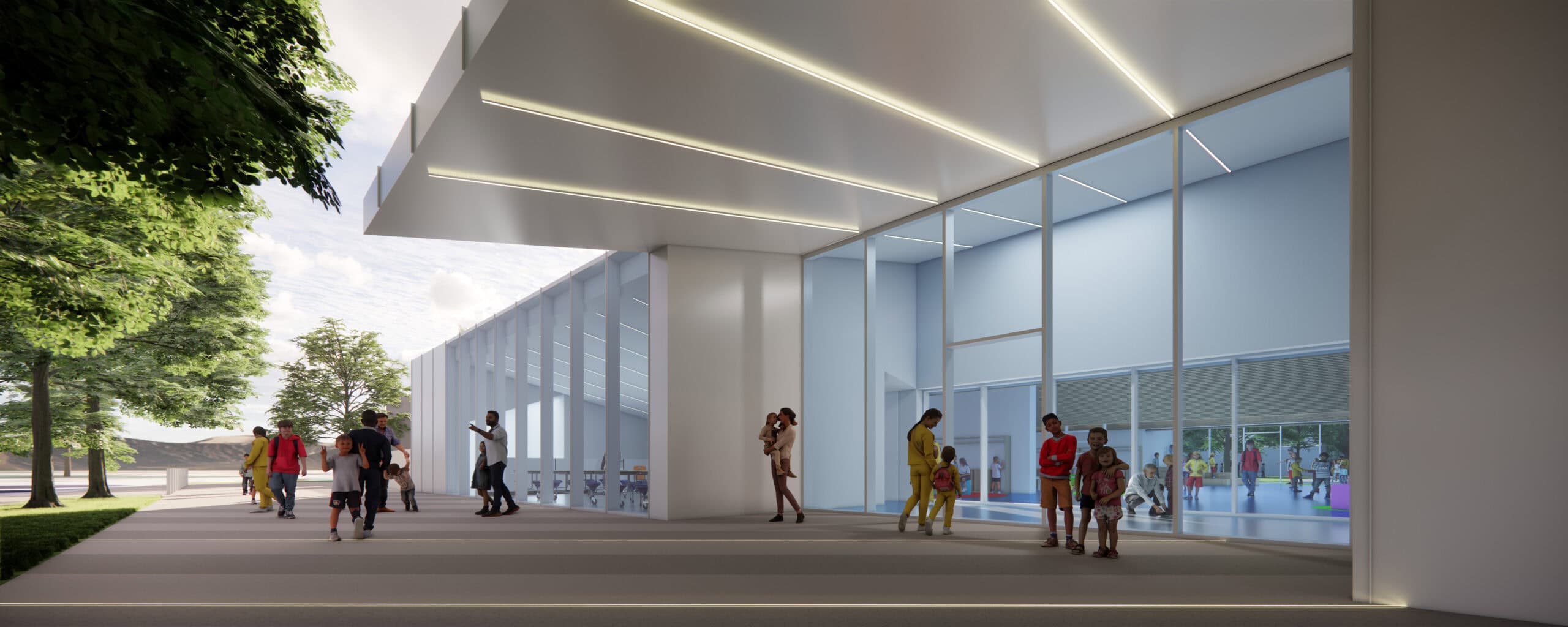
Natural light plays a crucial role in the design, with large windows strategically placed to maximise sunlight throughout the day. These windows are not merely functional; they create a warm and inviting atmosphere within the classrooms and common areas. By flooding spaces with light, the design promotes a positive learning environment that enhances focus and creativity. Skylights and light wells further ensure that even the innermost parts of the school benefit from natural illumination, reducing reliance on artificial lighting and fostering a connection to the changing seasons outside.
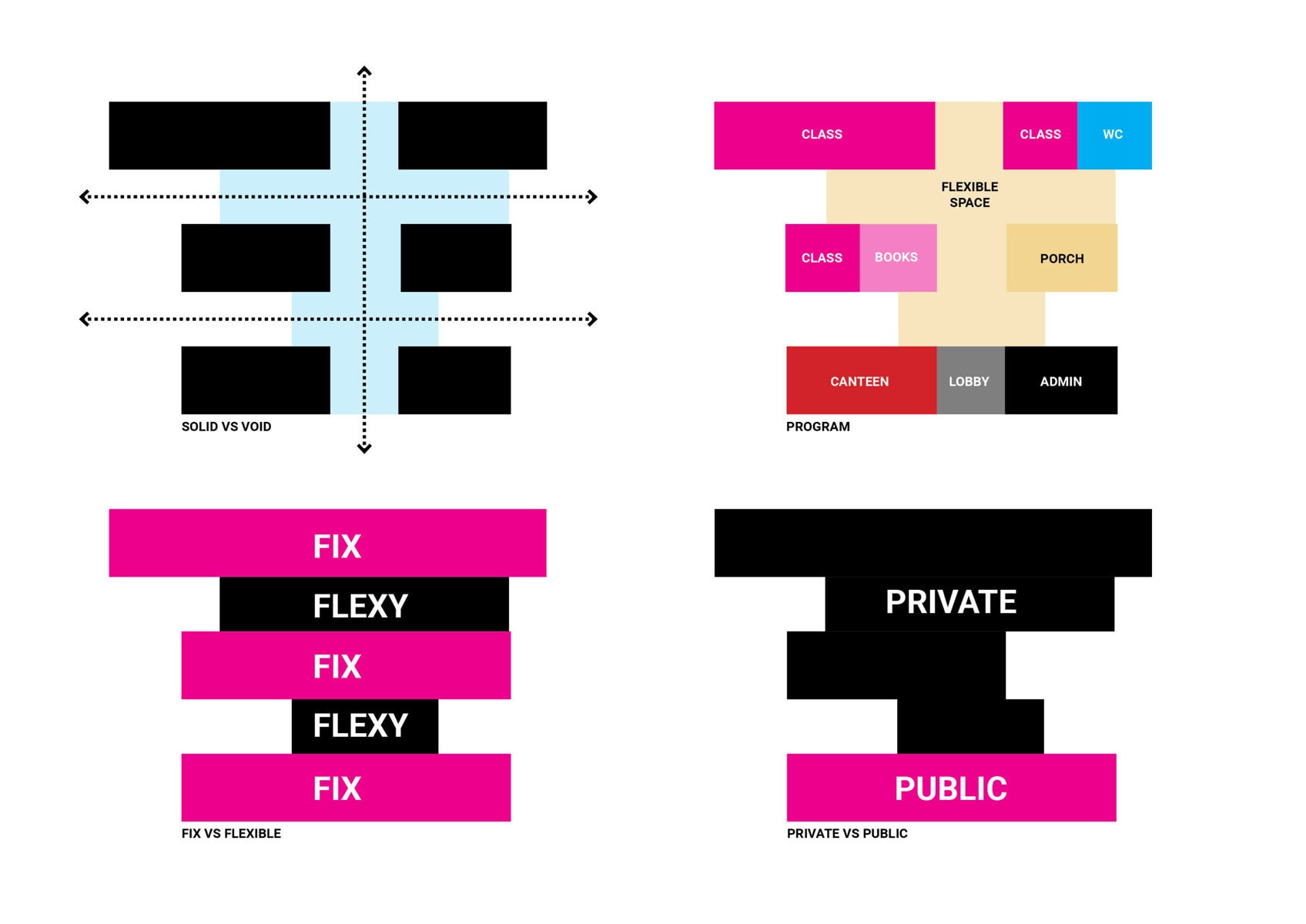
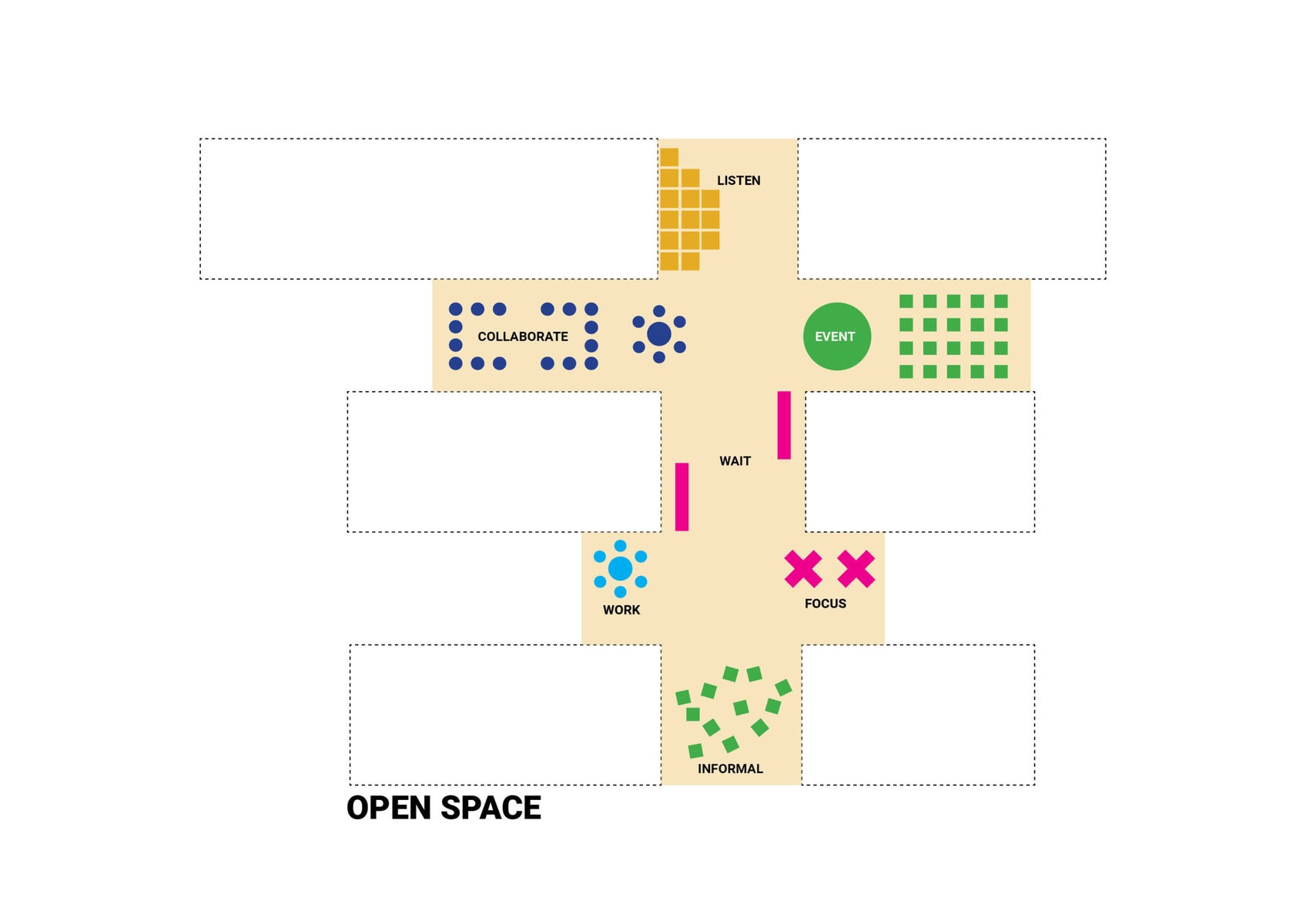
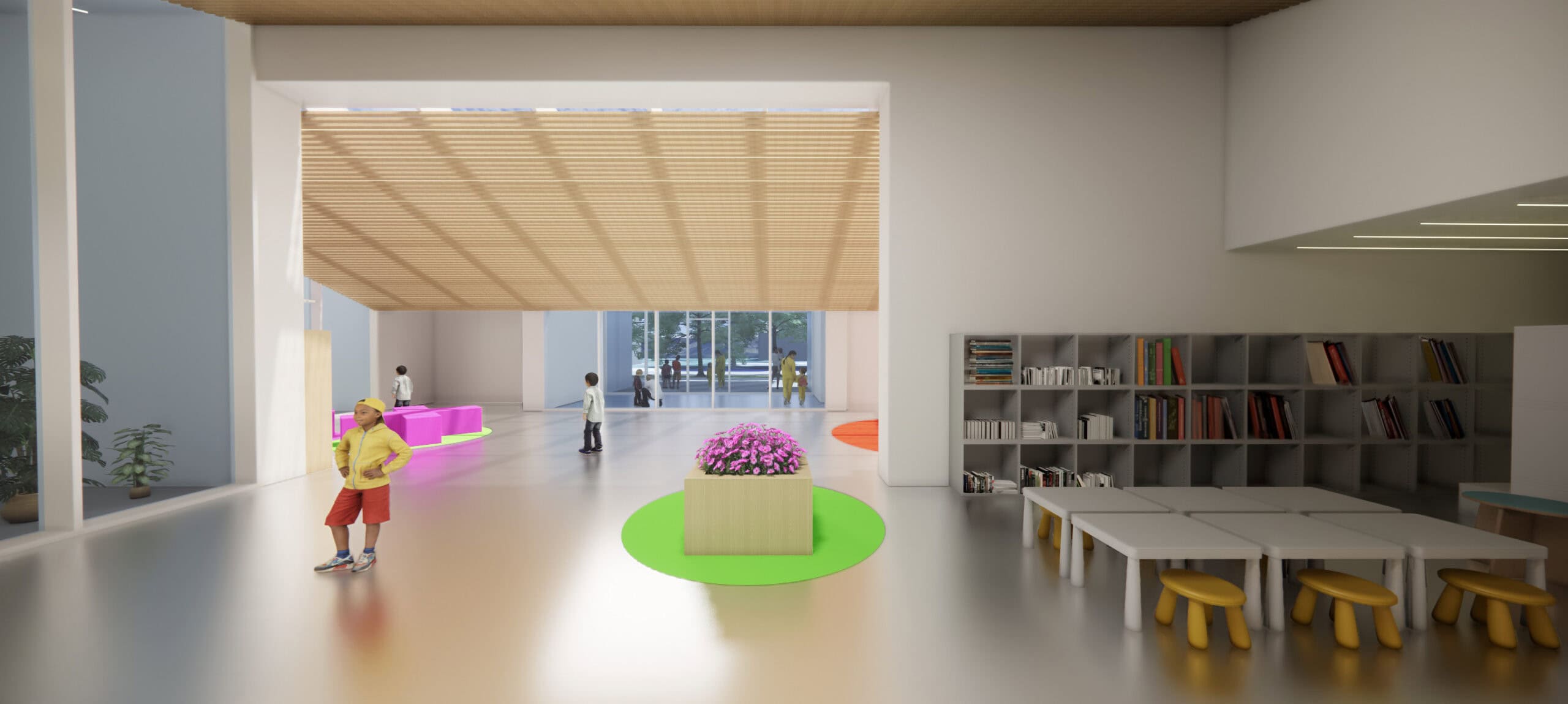
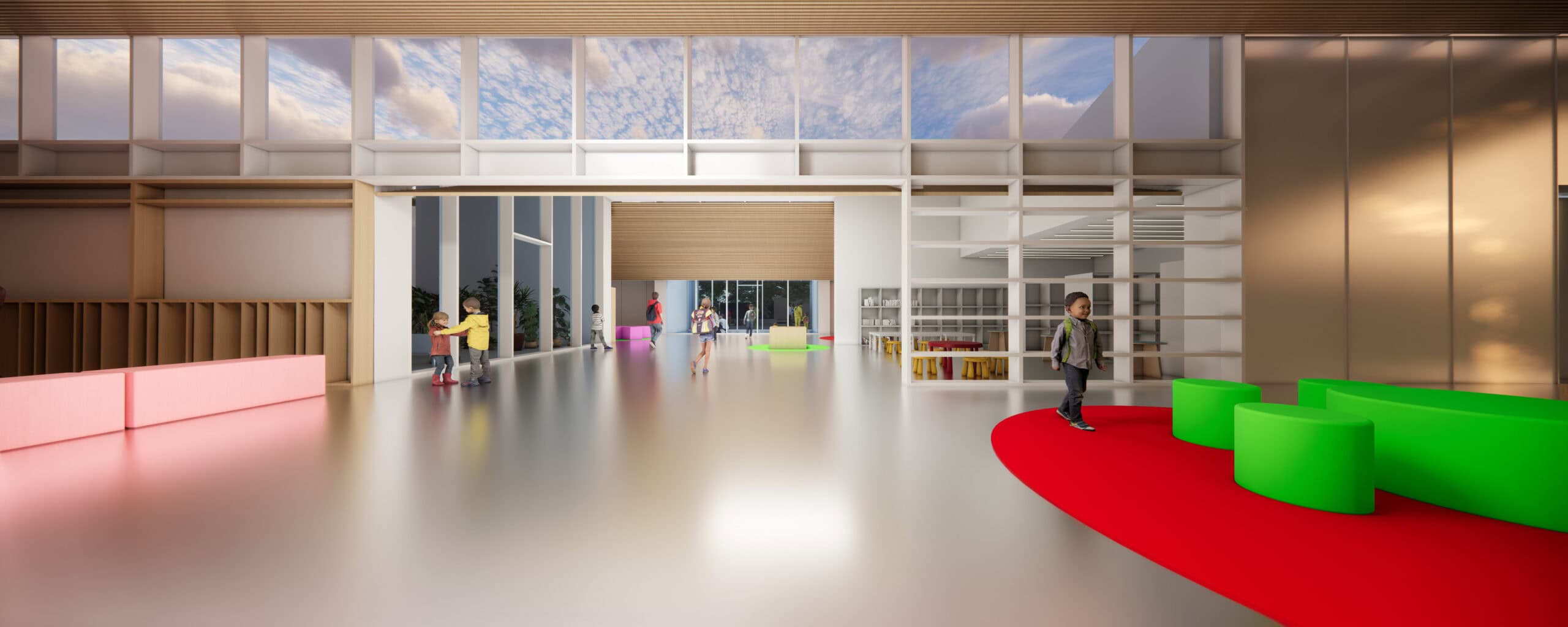
The architectural layout emphasizes a balanced relationship between traditional classrooms and open, flexible spaces. Classrooms are designed to be functional yet adaptable, supporting a range of teaching styles and student collaboration. Adjacent to these classrooms, flexible learning areas encourage group activities, creative play, and informal gatherings. These spaces are equipped with movable furniture, allowing students to reconfigure their environment to suit their needs, whether for group projects, arts and crafts, or quiet study.
The extensive use of windows not only invites sunlight but also establishes a strong visual and physical connection to nature. Students can observe the changing landscape outside, fostering an appreciation for the environment and instilling a sense of responsibility towards sustainability. Outdoor learning spaces, such as gardens and porched areas, further enhance this connection, allowing students to engage with nature directly and learn through hands-on experiences.
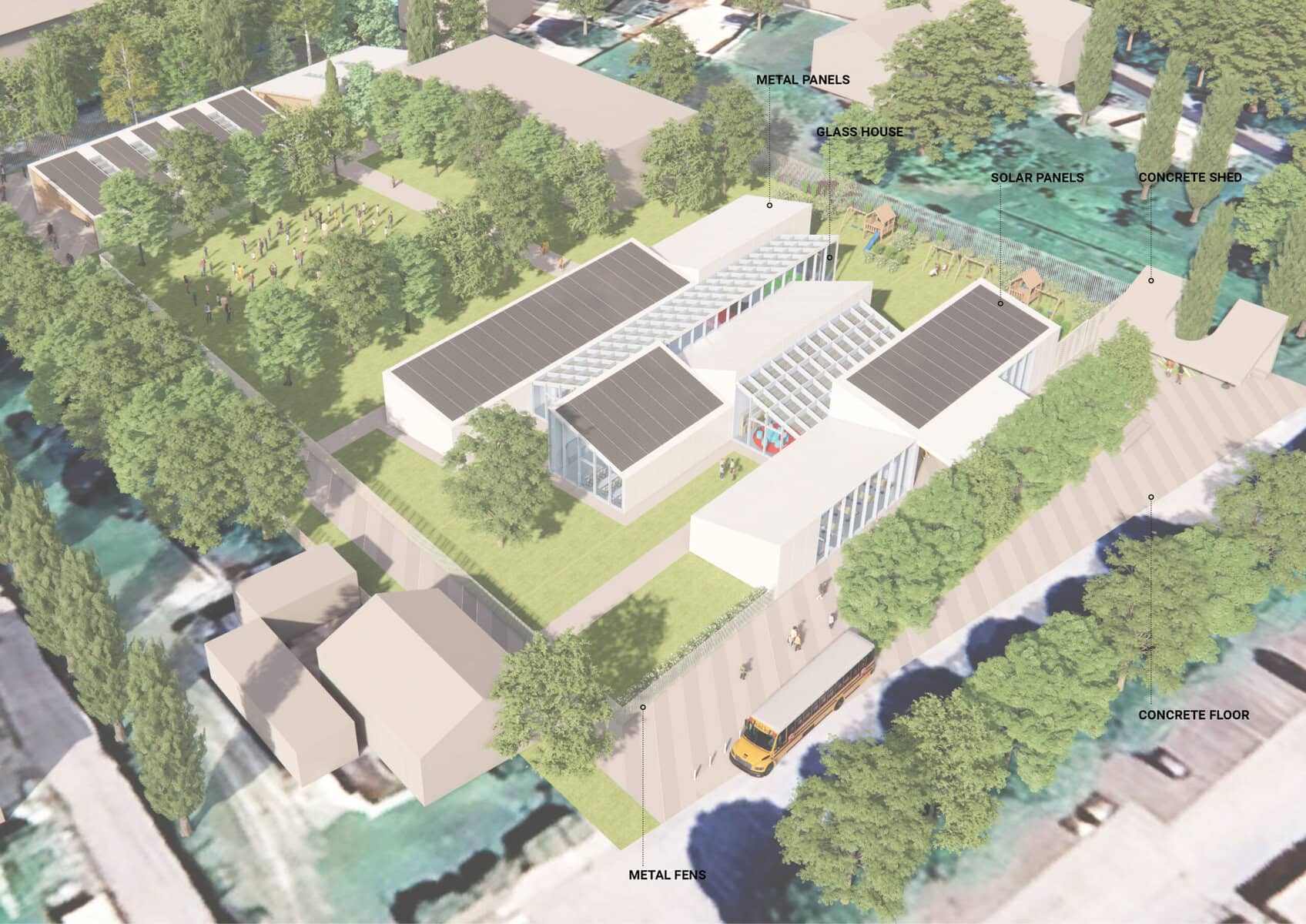
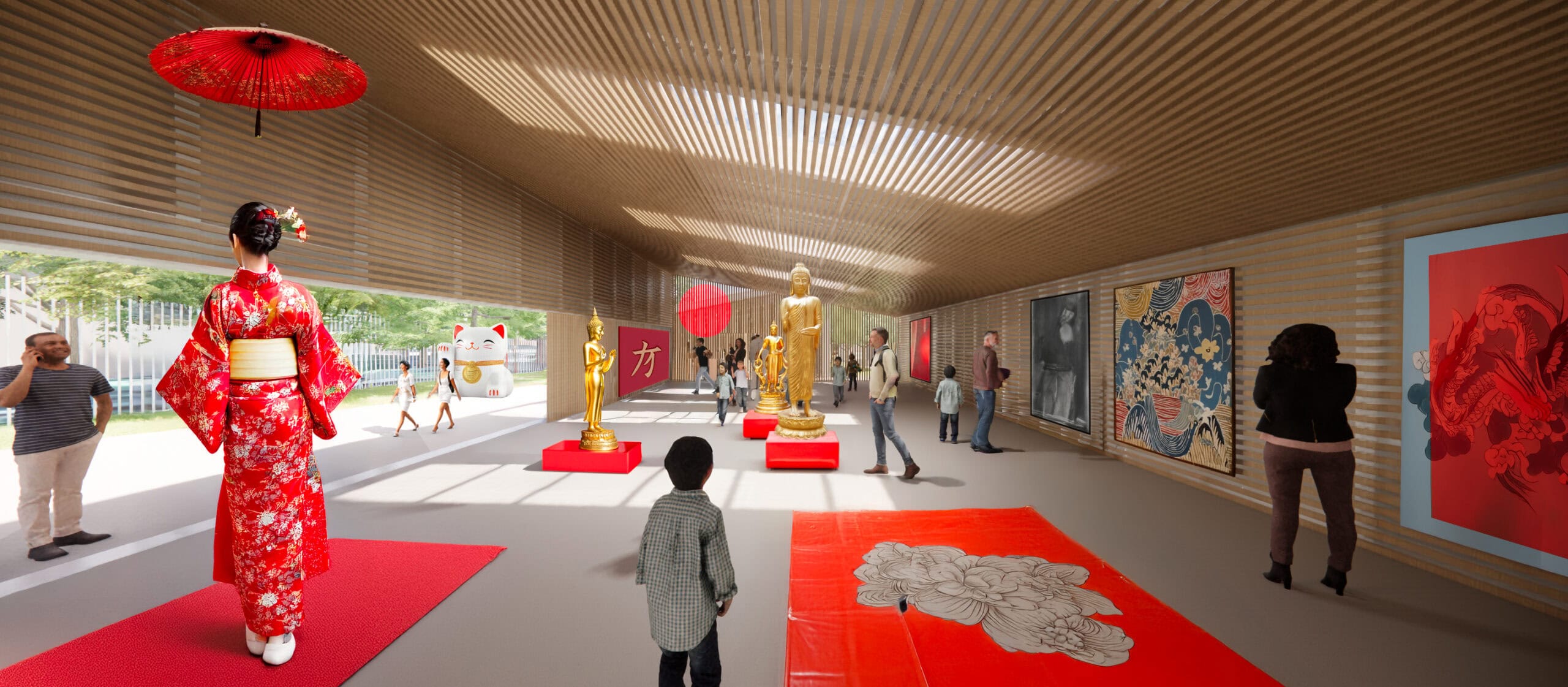
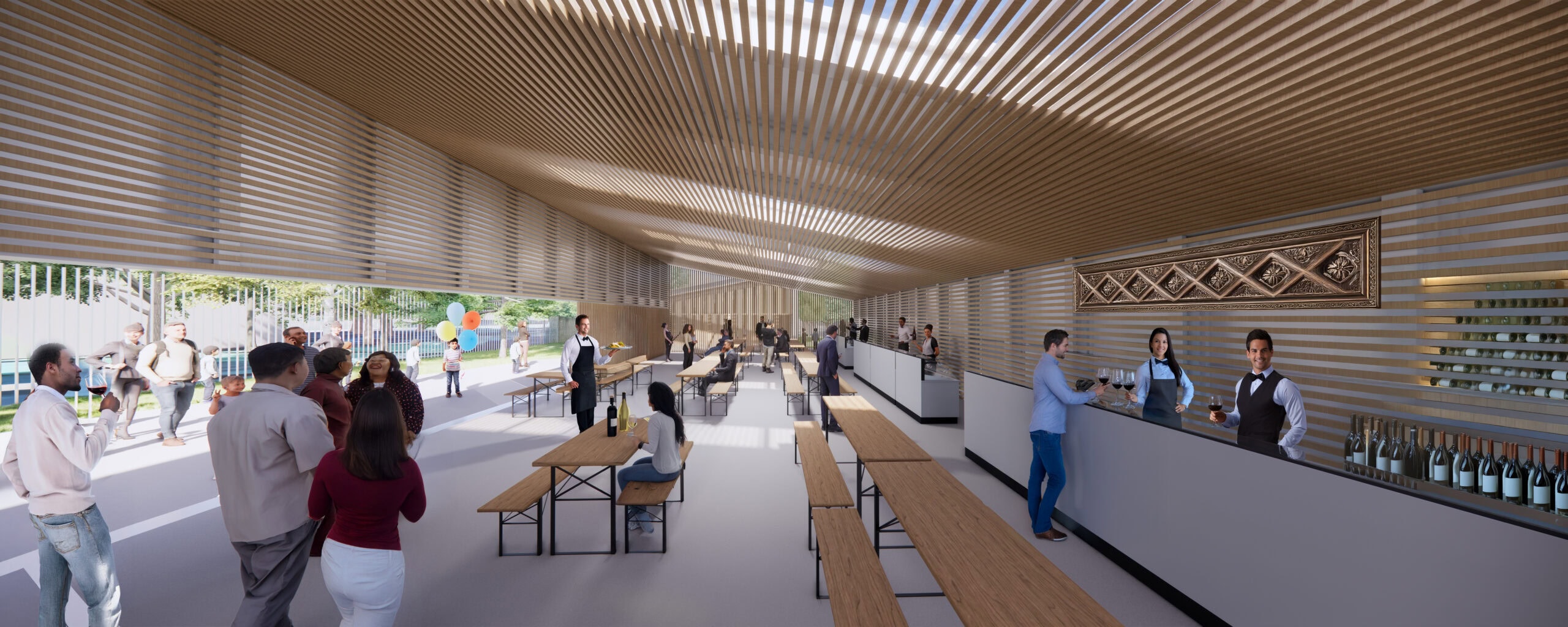
The school’s architectural design incorporates industrial materials: the building’s exterior features white-coated steel panelling, ensuring durability while providing a contemporary aesthetic that blends harmoniously with the surrounding urban fabric. These materials are chosen not only for their longevity but also for their ability to withstand the rigors of school life. In contrast, the interiors are enlivened with a balance of warm wooden surfaces and highlighted with pops of color through movable furniture, designed to be playful and inviting.
This vibrant palette encourages creativity and self-expression, allowing children to personalize their learning environments and adapt spaces for activities ranging from collaborative projects to quiet reflection.
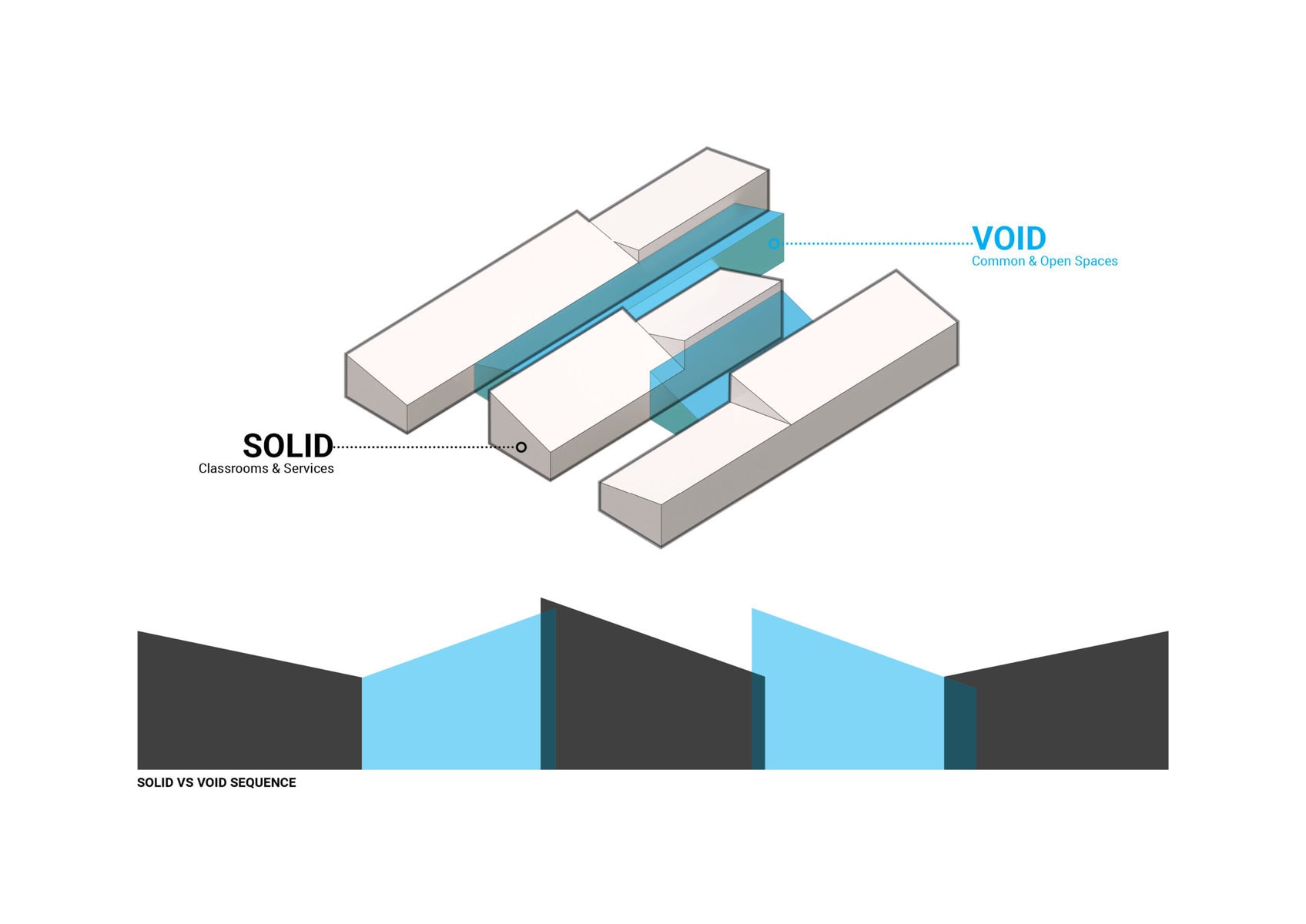
The design beautifully embraces the relationship between solid and void, with the solid representing traditional classroom layouts and the void symbolizing innovative spaces. This dynamic fosters creativity, nurtures community, and connects students to nature, empowering them to flourish academically and personally in a vibrant learning environment.
We’re excited to embrace a progressive vision for education by blending urban influences, maximizing natural light, and harmonizing structured and flexible spaces to cultivate a vibrant, enriching learning atmosphere for all.